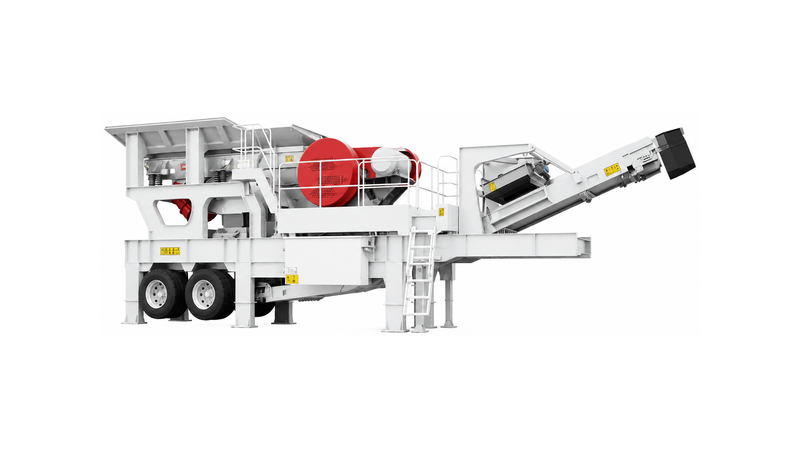
Tire-type Mobile Jaw Crusher Plant Overview
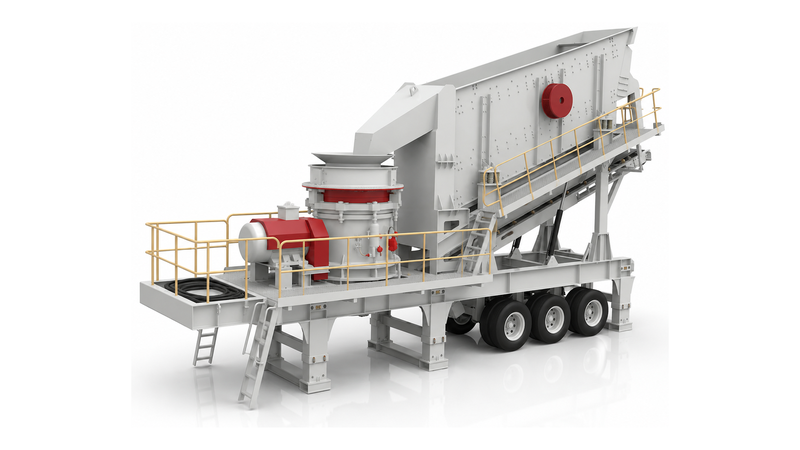
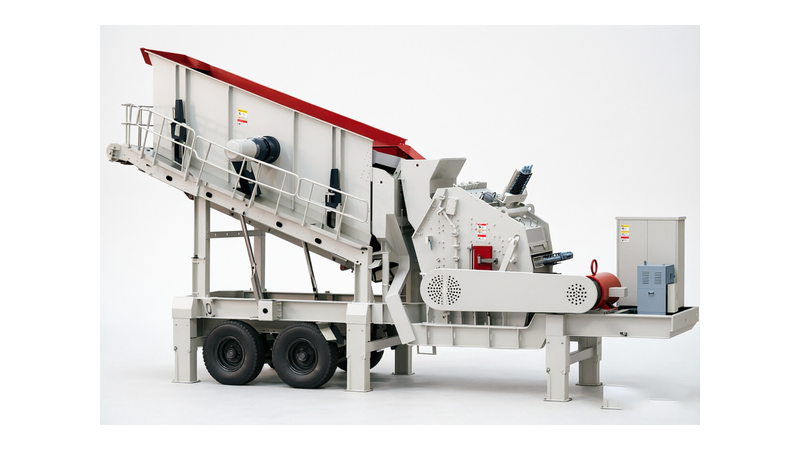
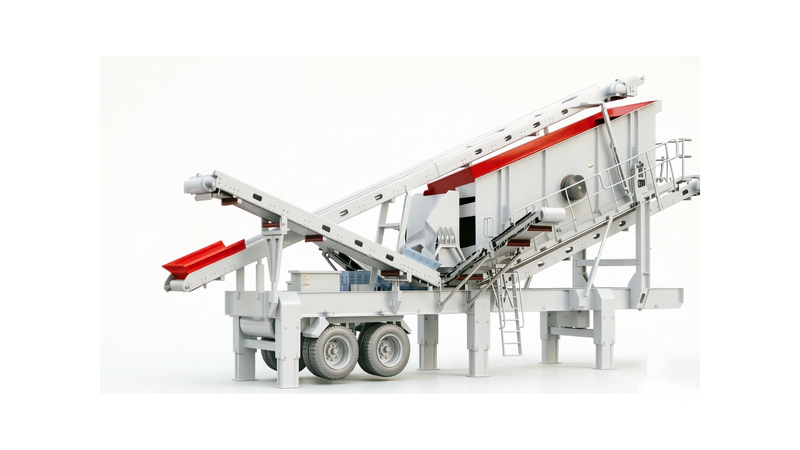
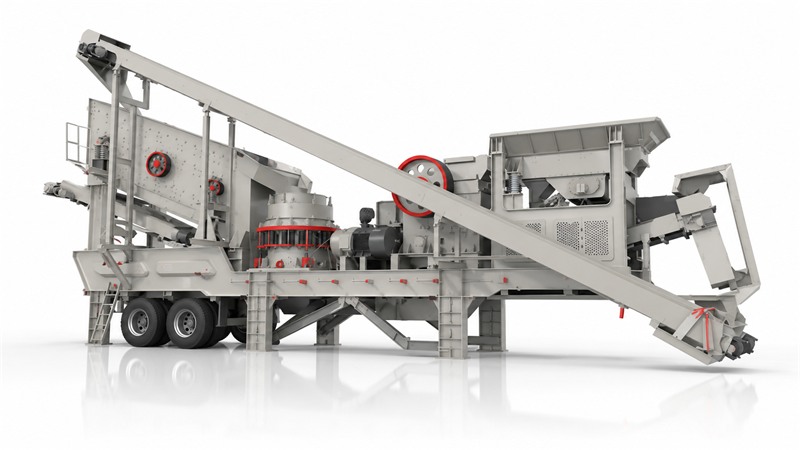
The tire-type mobile jaw crusher plant packages a vibrating feeder, jaw crusher, and onboard conveyors on a single towable chassis. It is a complete primary crushing unit that is ready to produce on arrival — no foundation work, no concrete pad, no lengthy installation. Highly maneuverable, it can be towed between sites in a single move.
The integrated feeding and crushing system accepts truck-dumped rock and discharges crushed product onto an onboard conveyor, with an optional pre-screen grizzly to bypass fines. The plant is offered with diesel or electric drive, so it operates both on-grid and in remote sites without power infrastructure.
Key Features
- On-board integration — easy relocation between sites
- No foundation work required — setup on a level pad
- Integrated feeding and crushing — single-unit primary crushing
- Diesel or electric drive options — works on-grid or off-grid
- Optional pre-screen — bypasses fines to protect the crusher
- Hydraulic support legs — stable operation on uneven ground
Typical Applications
The mobile jaw plant is the primary stage in mobile crushing trains, handling granite, basalt, limestone, and construction waste. It feeds a downstream mobile cone or impact plant and screen, or stands alone producing base material for roads. It is widely used in highway projects, dam construction, and recycling sites that move frequently.
Operational Guidance
Position the plant on firm, level ground and extend the hydraulic legs before operation. Match the feeder setting to the crusher's capacity and keep the feed size within the jaw opening limits. For electric-drive models, ensure the power supply cable and switchgear match the motor rating; for diesel-drive models, keep fuel and maintenance schedules current.
FAQ
Q: What capacity range does it cover? A: Mobile jaw plants are typically offered from around 100 t/h up to 400 t/h depending on the jaw model fitted. Q: Can it work without grid power? A: Yes — diesel-drive options allow operation in remote sites. Q: How is it transported? A: It is towed on its own wheels using a standard tractor unit after retracting the legs and folding the conveyors.