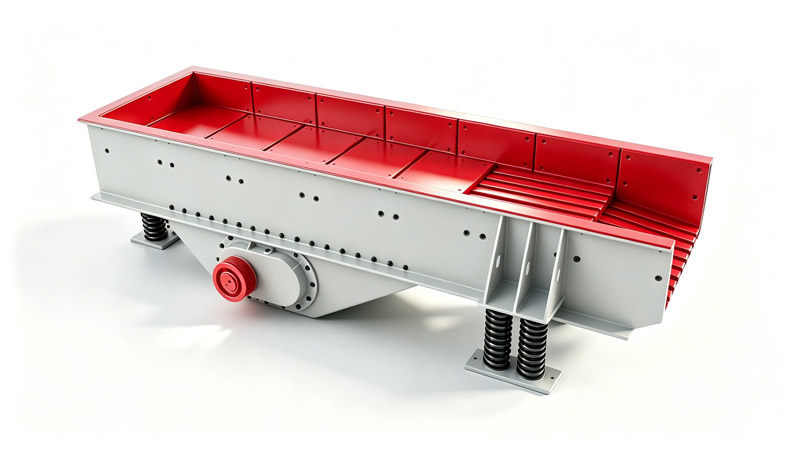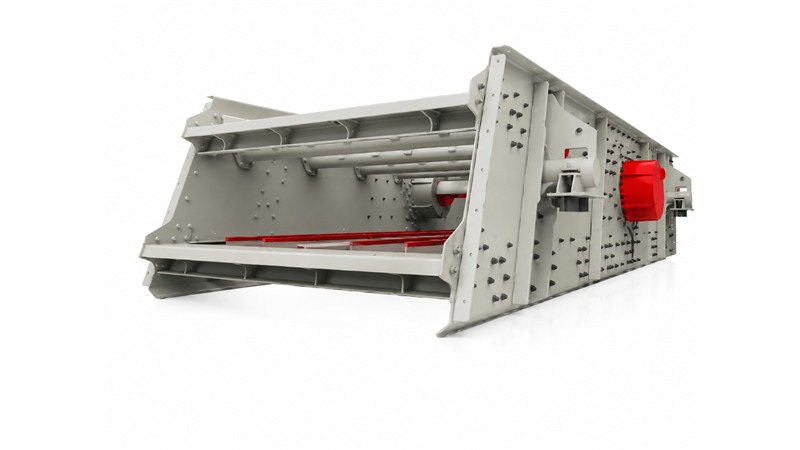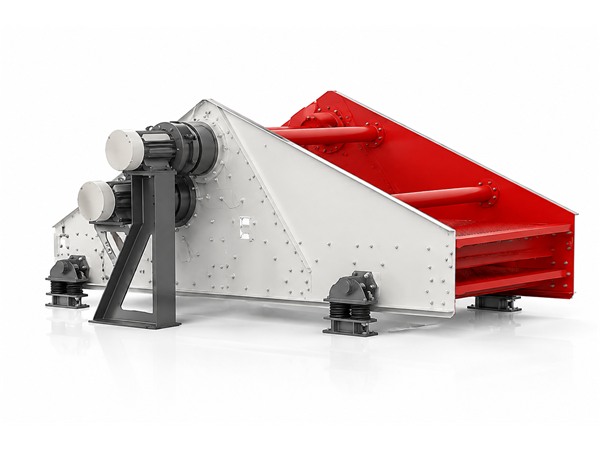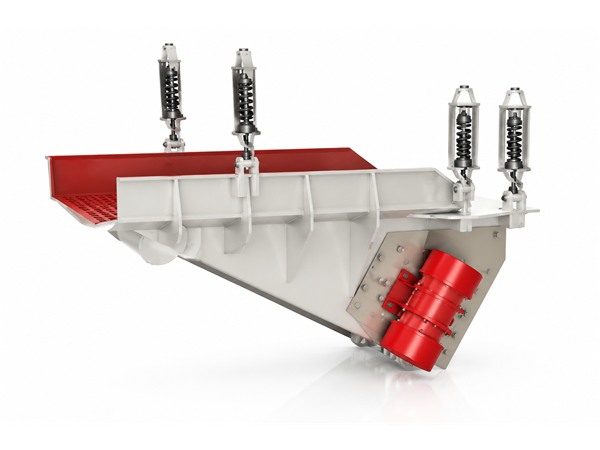
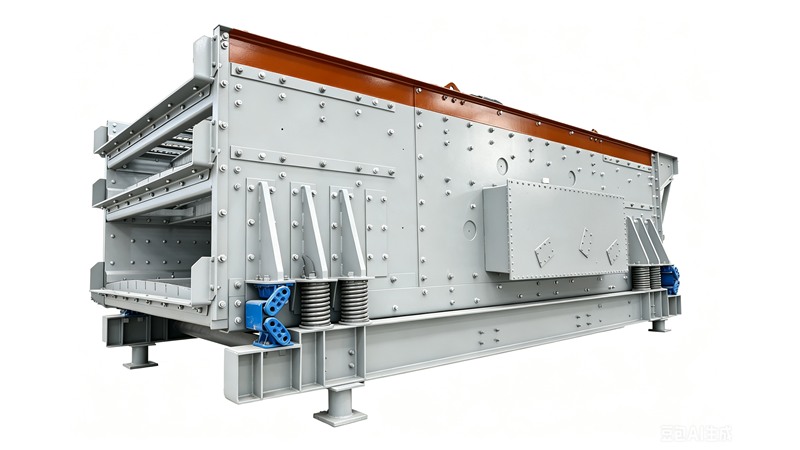
Triaxial Horizontal Screen Overview
The triaxial horizontal vibrating screen uses a three-axis drive system to generate elliptical motion, giving it superior handling of wet, sticky, and high-fines materials that clog conventional inclined screens. Because it operates on a horizontal plane, it requires no installation angle, making it the natural choice for modular and mobile crushing plants where headroom and footprint are tight.
The elliptical motion combines the conveying action of linear motion with the stratification of circular motion, producing high screening efficiency even at high feed rates. Available in 2-layer and 3-layer configurations, the triaxial screen delivers multiple finished fractions with precise cut points.
Key Features
- Triaxial drive system — elliptical motion for wet and sticky material
- Horizontal installation — no angle required, ideal for modular and mobile plants
- 2-layer and 3-layer configurations — multiple fractions in one unit
- High screening efficiency — excellent stratification at high throughput
- Compact, low-profile design — saves headroom in fixed and mobile circuits
- Robust screen box — long service life under continuous duty
Typical Applications
The triaxial horizontal screen is widely used in modular aggregate plants, mobile crushing and screening trains, and sand plants where space is limited. It excels at screening wet river gravel, sticky limestone fines, and recycled aggregates, and it is frequently used as the final sizing screen before product stockpiles.
Operational Guidance
Because the screen is horizontal, material transport depends entirely on the elliptical motion — feed must be distributed evenly across the full width. Use polyurethane or rubber panels for wet, abrasive duties to maximize life, and keep the drive shafts greased per the maintenance schedule. When space allows, a small spray bar improves fines removal on wet materials.
FAQ
Q: Why choose a horizontal screen over an inclined one? A: Horizontal screens need less headroom, fit modular plants better, and handle wet/sticky material more effectively with elliptical motion. Q: How many fractions can it produce? A: A 2-layer screen produces 3 fractions, a 3-layer screen produces 4. Q: What causes screen cloth tearing? A: Usually impact from oversized feed or a loose tensioning — keep feed size within spec and check tension weekly.