Dans les lignes de production de concassage minier et de fabrication d'agrégats, les concasseurs à cône ont toujours joué un rôle de premier plan dans le concassage moyen et fin. Cependant, face à une gamme éblouissante d'équipements sur le marché, de nombreux propriétaires d'usines d'agrégats peinent souvent dans le choix : devraient-ils opter pour le concasseur à cône à ressort de génération ancienne plus abordable, ou investir dans le concasseur à cône hydraulique multicylindre de nouvelle génération à haute efficacité ?
En mettant de côté les paramètres théoriques secs, aujourd'hui, nous analyserons directement les quatre différences fondamentales de l'expérience utilisateur entre ces deux types d'équipements sous l'angle le plus réaliste de l'utilisation réelle et de l'exploitation sur site. Après avoir lu cela, vous saurez comment choisir !
I. Exploitation quotidienne : Travail manuel vs. Contrôle intelligent à un bouton
Dans la production quotidienne, l'ajustement de l'ouverture de décharge en fonction des besoins de l'alimentation et du produit fini est une pratique courante, mais l'expérience varie considérablement selon l'équipement.
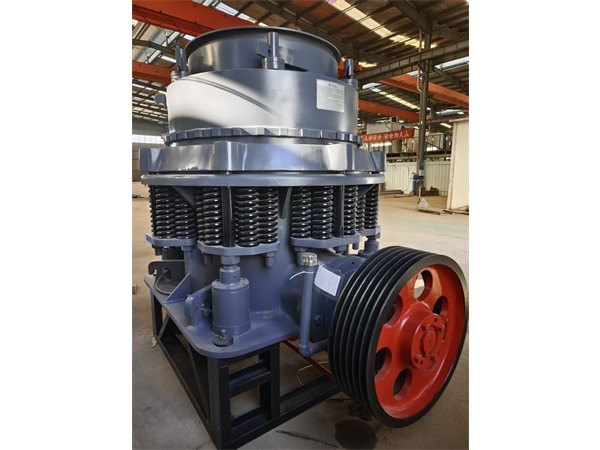
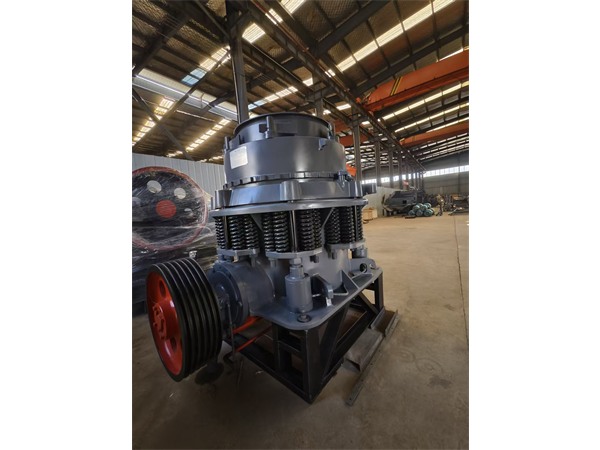
Concasseur à cône à ressort (opération coûteuse en main-d'œuvre) : L'ajustement de l'ouverture de décharge sur les modèles anciens repose entièrement sur une opération "hardcore". Le tour manuel de la bague d'ajustement n'est pas seulement laborieux mais nécessite également l'arrêt de la machine. Chaque ajustement signifie l'arrêt de la ligne de production, la consommation de main-d'œuvre et l'impact sur la production quotidienne.
Concasseur à cône hydraulique multicylindre (ajustement facile à un bouton) : La nouvelle génération s'engage pleinement dans l'automatisation. Grâce à un système de contrôle intelligent PLC et à des moteurs hydrauliques, les opérateurs peuvent réaliser un réglage précis de l'ouverture de décharge en appuyant simplement sur un bouton dans le poste de contrôle, même sous charge, économisant ainsi du temps et de la main-d'œuvre sans interrompre la production.
II. Qualité du produit fini : Particules en forme de aiguille vs. Cubes de haute qualité
Avec l'augmentation des normes d'infrastructure, les clients à aval ont des exigences de plus en plus strictes pour la forme des particules des agrégats de sable et de gravier. La qualité du produit fini détermine directement le prix que peut obtenir votre pierre concassée.
Concasseur à cône à ressort (efficacité de concassage finie modérée) : L'équipement traditionnel repose principalement sur le principe d'impact d'une seule particule pour le concassage. Cette méthode produit une proportion plus élevée de particules en forme de aiguille et de paillettes, ce qui entraîne une apparence de produit fini relativement ordinaire, rendant difficile de répondre aux besoins des projets de haute qualité.
Concasseur à cône hydraulique multicylindre (forme de particule excellente) : Utilise le principe avancé de "concassage en couches". Dans la chambre de concassage, les matériaux ne sont pas simplement compressés par la machine, mais subissent également un concassage et une pulvérisation mutuels entre eux. Cela entraîne des produits finis principalement sous forme de cubes réguliers avec très peu de particules en forme d'aiguille ou de paillettes, et une proportion élevée de matériaux fins, répondant facilement aux exigences des agrégats de route et de pont de haute qualité et des sables et graviers de haute qualité.
III. Dépannage (accident de fer / engorgement de la machine) : Downtime de demi-journée vs. Minutes de récupération
Peu importe combien prudents les carrières soient, il est inévitable que les dents de la pelle d'excavatrice ou les blocs de fer se mélangent au matériau. Rencontrer un "accident de fer" est le moment où l'équipement teste véritablement ses capacités.
Concasseur à cône à ressort (très difficile à nettoyer manuellement) : Une fois qu'un objet dur ou un bloc de fer se coincé, il peut facilement engorger la machine et l'arrêter. Les ouvriers sur place doivent souvent utiliser des vérins ou même des coupes au gaz pour enlever le bloc de fer. Ce processus entire prend au moins demi-journée, freinant gravement la production.
Concasseur à cône hydraulique multicylindre (nettoyage hydraulique automatique) : Lorsque des objets étrangers causent un engorgement, un simple bouton contrôle le cylindre hydraulique pour descendre et élargir l'ouverture de décharge. Après que l'objet étranger est éjecté, le système se réinitialise automatiquement. Le processus de nettoyage prend généralement quelques minutes pour restaurer la production normale, devenant un "sauveur" pour la maintenance sur site.
IV. Stabilité de l'équipement et coût global : Investissement à court terme vs. Retour sur investissement à long terme
L'achat d'équipement ne doit pas être basé uniquement sur le prix ; une analyse de coût "cycle de vie" complète est cruciale.
Concasseur à cône à ressort (seuil d'achat faible, coût d'exploitation et de maintenance élevé) : La structure mécanique est relativement simple et le coût d'achat initial est effectivement faible, ce qui est très favorable aux carrières de sable et de gravier à capital limité. Cependant, les ressorts de sécurité sont sujets à la fatigue et à la défaillance après un surcharge et un allongement fréquents, endommageant facilement le cadre et entraînant des coûts importants pour les pièces de usure et la maintenance de la main-d'œuvre à long terme.
Concasseur à cône hydraulique multicylindre (coût d'achat initial élevé, consommation globale de matériaux faible) : Le seul obstacle est le coût élevé d'achat de la machine. Cependant, il est équipé de cylindres de sécurité multicylindres, fournissant une protection de surcharge forte, un dégagement de pression automatique et un réglage automatique. Grâce à sa haute production, sa faible consommation d'énergie et un niveau élevé d'intelligence, ses coûts de consommables et de main-d'œuvre sont en réalité plus bas à long terme, ce qui entraîne un retour sur investissement (ROI) très attrayant.

Résumé et recommandations : quel équipement choisir ?
Il n'y a pas d'équipement parfaitement parfait, seulement le machine le mieux adapté à votre phase actuelle d'entreprise. Nous pouvons résumer notre guide de sélection en une phrase :
Choisissez un [Concasseur à cône à ressort] si votre situation actuelle est :
Au début de la construction de l'usine, avec un budget relativement limité ;
Les clients à aval n'ont pas des exigences élevées pour la forme des particules du produit fini d'agrégat (par exemple, ne produisant que des agrégats de construction ordinaires) ;
Vos opérateurs d'usine sont plus habitués à la maintenance des équipements mécaniques traditionnels.
Choisissez un [Concasseur à cône hydraulique multicylindre] si vos objectifs sont :
Chercher une capacité de production extrêmement élevée et vouloir produire des agrégats de haute qualité, de haute valeur ajoutée (fournissant directement des constructions de routes et de ponts de haute qualité et des centrales de mélange) ;
Vouloir réduire considérablement l'intensité de maintenance manuelle sur site ;
Très valoriser la continuité de production et vouloir minimiser les arrêts imprévus.