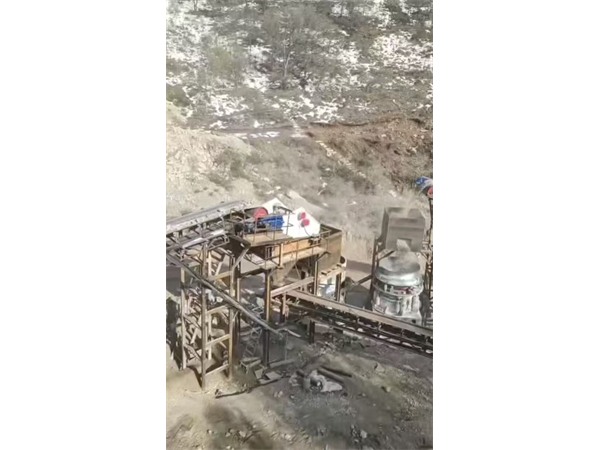
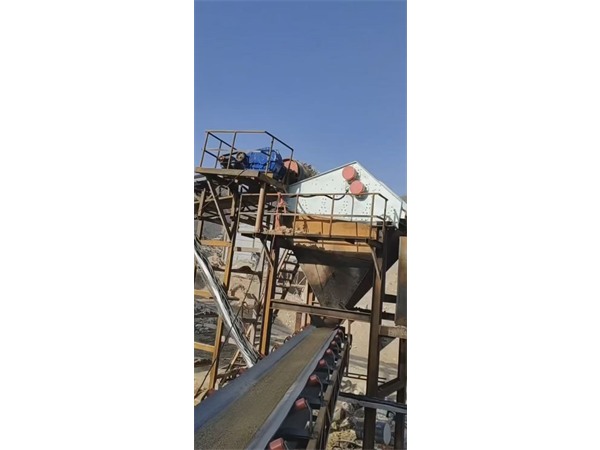
Линия тонкого дробления железной руды мощностью 200 тонн/час в Шанxi: процесс "просеивание перед дроблением" экономит клиентам 3% в извлечении полезных ископаемых
Обзор проекта: основная проблема в обработке железной руды не в том, "как хорошо она может быть измельчена", а в "предотвращении чрезмерного измельчения". Расположенный в Шанxi, этот проект решает высокую содержание кремния и высокую абразивность местного магнетита. Мы отказались от традиционного обширного метода дробления и ввели точный процесс "просеивание перед дроблением". Благодаря инновационному размещению линейного сита между этапами粗ого и тонкого измельчения, мы успешно предотвратили неэффективное измельчение, достигнув стабильной производительности 200 тонн/час и значительно улучшив коэффициент извлечения железного концентрата и общие экономические выгоды клиента.
Основные параметры проекта
Параметры индикатора
Подробные параметры
Местоположение проекта
Шаньси, Китай
Обработка сырья
Железная руда (в основном магнетит, с сопутствующими кварцевыми жилами, твердость по Моосу 5.5–6.5, очень абразивная)
Проектная производительность
200 т/ч
Целевая продукция
≤12 мм высококачественная фракция (прямая подача в мельницу/песчаное спекание)
Основная конфигурация оборудования
Граничный дробилок + линейный сито + CS420 одноступенчатый конусный дробилок + HP300 многоступенчатый конусный дробилок
Ключевые моменты процесса
Предварительное сито (сито перед дроблением): эффективно предотвращает образование грязи из железной руды и чрезмерное дробление
Трудности заказчика: невидимая "грязь" потребляет настоящее золото и серебро
Обработка железной руды кардинально отличается от производства строительных материалов. Материалы для строительства боятся быть "не измельченными чисто" (плохая форма зерен), в то время как железная руда боится быть "переизмельченной". Если железная руда становится грязной, коэффициент извлечения тонкодисперсных минералов на последующих этапах магнитной сепарации и флотации резко падает. Если из одной тонны руды образуется дополнительное 3% глины с размером частиц -0,074 мм, коэффициент извлечения обогащения может упасть на 5 до 8 процентов, что напрямую приведет к снижению класса концентрата железа и значительным потерям прибыли.
Катастрофическая ошибка в существующей производственной линии: оригинальная производственная линия заказчика использовала модель "губчатый дробилку-圆锥ная дробилка". 30%-40% уже合格的 мелких частиц из выхода губчатой дробилки были принудительно поданы в圆锥ную дробилку для "передробки". Это не только浪费ило электроэнергию, но и искусственно создало большое количество передробленного шлама. Содержание -200 сетки в готовом продукте оставалось высоким, и обогатительное производство часто сообщало о резких колебаниях в коэффициенте извлечения, что严重限制了 рентабельность компании.
Основной запрос заказчика был极为 ясен: достичь точной дробилки — дробить только то, что нужно дробить, оставляя без повреждения合格的 частицы — при сохранении производительности 200 тонн в час.
Ядро процесса реструктуризации: Линейный сито устраняет неэффективную дробилку
Акцентируя внимание на конечной цели "предотвращения чрезмерного дробления и повышения коэффициента извлечения полезных ископаемых," мы переработали весь поток материалов производственной линии. Линейный сито точно позиционируется между дробилкой щековую и одноступенчатой конусной дробилкой CS420, создавая точку разделения ценности для всей производственной линии.
Инновационный процесс:
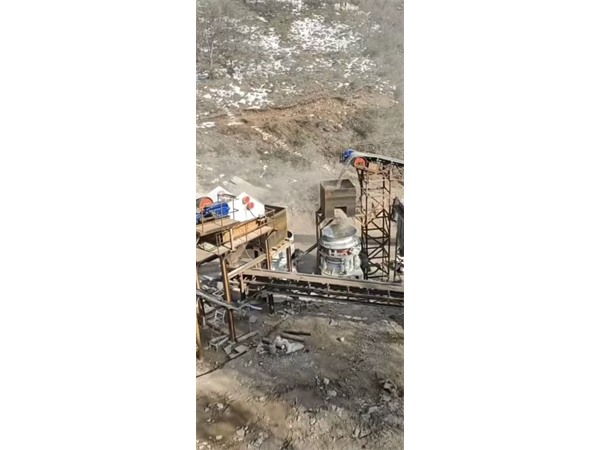
Рудное сырьё (600–800 мм) → Щёковая дробилка предварительное дробление (≤150 мм) → Линейное сито предварительный просев → Избыточный крупный материал поступает в среднее дробление CS420 / Недостаточный мелкий материал напрямую поступает в резервуар для мелкого материала → Мелкозернистая дробилка HP300 → Объединённый выход ≤12 мм мелкого готового продукта.
Бизнес-логика предварительного просева: Традиционные процессы, по сути, "оплачивают чрезмерное дробление", в то время как добавление линейного сита достигает тройного сохранения ценности:
Отключение неэффективного дробления и высвобождение производительности конусного дробильного оборудования: Финские материалы, проходящие через сито, напрямую пропускаются, что устраняет приблизительно 30% неэффективной нагрузки на конусный дробильный аппарат CS420, значительно улучшая эффективный коэффициент использования основного оборудования.
Предотвращение образования грязи в源头 и сохранение содержания железа: Стандартные частицы избегают вторичного сжатия конусным дробильным аппаратом, снижая коэффициент образования грязи готового продукта (-200 меш) с резкого падения 12%–15% на старой линии до стабильного и контролируемого уровня ниже 6%.
Устранение причин износа и продление срока службы оборудования: Финкий порошок действует как "абразив" в камере дробления; предварительный сепаратор удаляет финкий порошок, что приводит к более равномерному износу liner CS420, значительно снижая затраты на потребляемые материалы.
Двухступенчатый конусный дробильный комплекс Синергия: Высокий объем CS420 и высокое качество HP300
Столкнувшись с высокосиликатной, сильно абразивной железной рудой, мы внедрили сбалансированный подход к обогащению конусных дробилок, сочетая высокий объем с высоким качеством:
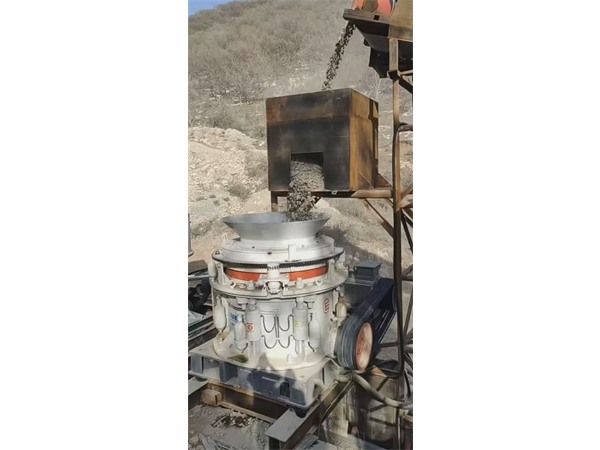
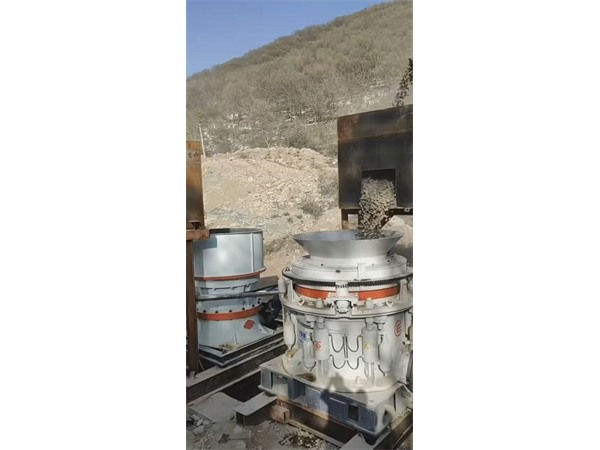
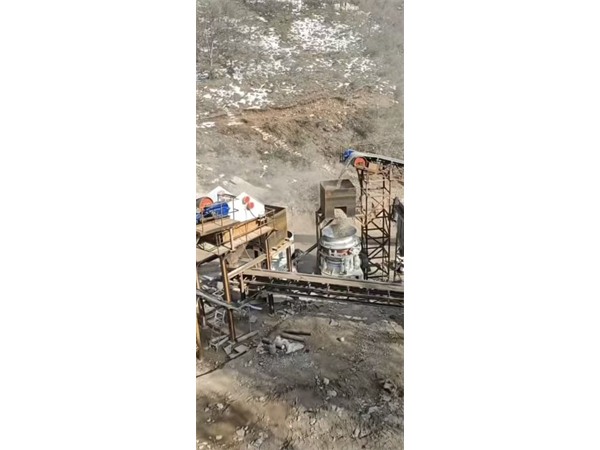
Одноцилиндровый конусный дробильный аппарат CS420 (средний дробильный корпус): С его большой производительностью и сосредоточенной силой дробления он легко справляется с грубым материалом от линейных сит. Гидравлическая автоматическая система регулировки выгрузного отверстия eliminates the need for manual intervention during material fluctuations, effortlessly achieving a single-machine throughput of 200 t/h, completely eliminating the bottleneck in medium crushing.
HP300 Многоцилиндровый конусный дробильный станок (Контроллер узкой щели): Применение принципа многослойного дробления позволяет равномерно сжимать материал в нескольких точках, что обеспечивает чрезвычайно низкое содержание тонкого порошка. Система постоянного контроля выхода порта игнорирует износ衬ок, постоянно и точно контролируя размер частиц выхода, чтобы обеспечить, что 100% готового продукта соответствует диапазону ≤12 мм тонкого материала.
Четыре основных ценности бизнеса, предоставляемые клиентам
После запуска проекта не только были решены технические проблемы, но и это напрямую отразилось на впечатляющих данных в финансовой отчетности клиента:
Ценность 1: Увеличение коэффициента извлечения на 3%, что значительно увеличило производство железорудного концентрата
Это является最主要的盈利增长动力。Благодаря процессу "предварительного сепарирования + ламинарного дробления", коэффициент уменьшения до -200 meshes значительно снизился, и измеренная回收率 концентрата железа в обогатительном цехе увеличилась примерно на 3 процента.Для обогатительной фабрики с годовым объемом производства сотни тысяч тонн это эквивалентно восстановлению тысяч тонн высококачественного концентрата ежегодно, что напрямую создает огромный прирост доходов.
Ценность 2: Снижение энергопотребления и материальных затрат, уменьшение операционных расходов
Линейный сепаратор предварительно отбирает 30%合格的细料, что означает, что CS420 выполняет на 60 тонн меньше бесполезной работы в час, экономя 15-20 кВт·ч электроэнергии в час. В то же время, удаление тонкого порошка в сочетании с многоцилиндровой конусной ламинарной технологией увеличивает цикл замены футеровки CS420 примерно на 30%, и футеровка HP300 не испытывает неравномерного износа. Увеличение цикла замены футеровки позволяет концентратору получить больше времени непрерывного производства.
Третий ценный аспект: следование принципу "Больше дробления, меньше помола", максимальное обеспечение работы downstream-операций
Нерушимое правило горнодобывающей промышленности: "На один миллиметр больше дробления, на один час больше помола." Многоцилиндровая конусная мельница HP300 обеспечивает исключительно стабильный размер мелких частиц (равномерно распределенные в диапазоне ≤12 мм), предоставляя идеальные условия для подачи в шаровую мельницу. После ввода в эксплуатацию кривая общих затрат энергии на дробление и помол в цехе обогатительной фабрики заказчика показала значительное снижение, и общая эффективность помола значительно увеличилась.
Четвертый ценностный параметр: Extremely Stable Production Under All Operating Conditions, Saying Goodbye to Unplanned Downtime
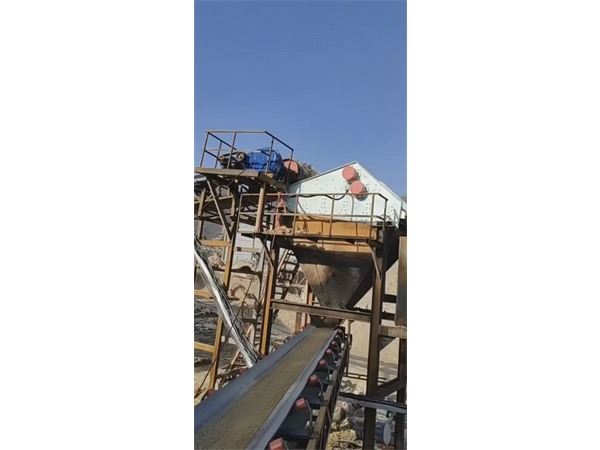
Производство в концентраторах должно быть непрерывным. Как только процесс дробления останавливается, потери, вызванные работой пустотного мокрого помола в нерабочем состоянии, не поддаются исчислению. Эта производственная линия, благодаря рациональному дизайну процессного запаса и соответствию производительности оборудования, достигает непрерывного производственного выхода в диапазоне 200–210 т/ч, при этом плановые простои в месяц строго контролируются и не превышают 8 часов.
Заключение: Суть обработки железной руды заключается в философии "знания времени остановки" в процессе дробления. Реальная ценность этого решения заключается не только в высокой эффективности конусного дробилки, но и в линейном сите,拦截无效的破碎——это поддерживает качество железной руды и сокращает ненужное потребление. От того, чтобы в конце месяца волноваться о том, "почему упал коэффициент извлечения", до現在 быть уверенным в том, что "этот месяц стабилен", стабильность производственной линии является наибольшей коммерческой ценностью, которую мы предоставляем нашим клиентам в горнодобывающей промышленности.