Case Study: 400 t/h Terraced Aggregate Production Line for a Large-Scale Reservoir Project in Guangdong
Project Overview
Project Location: Zhaoqing City, Guangdong Province, China
Project Purpose: Aggregate supply for large-scale water conservancy projects (including dam bodies, tunnels, reservoir bank slopes and revetments)
Raw Materials: Local granite
Hourly Production Capacity: 400 t/h
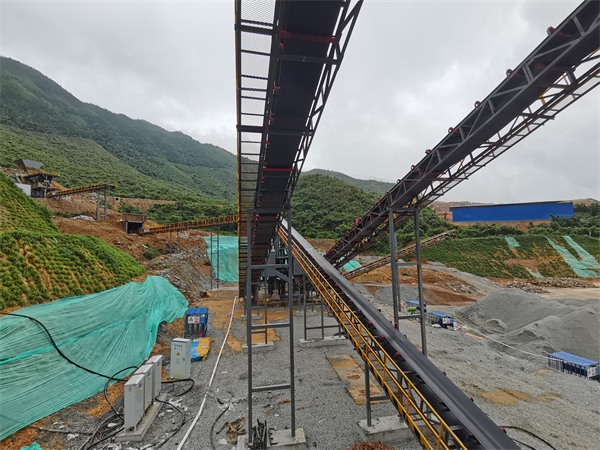
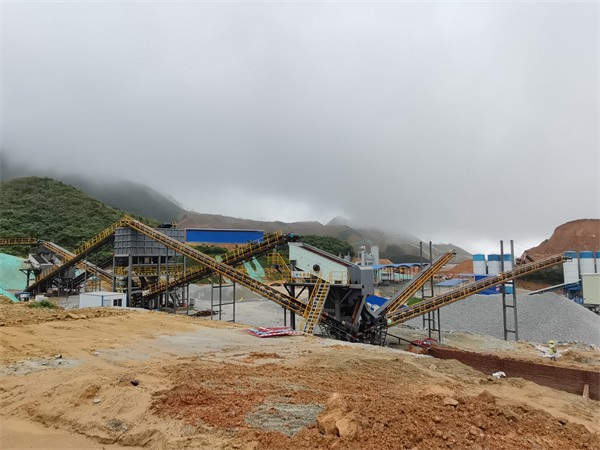
Process Features: Terraced, three-dimensional layout based on the mountain's terrain
Key Highlights and Technical Data
High-volume, stable supply: Achieves a stable, continuous, and efficient production capacity of 400 t/h, fully guaranteeing key milestones in project construction.
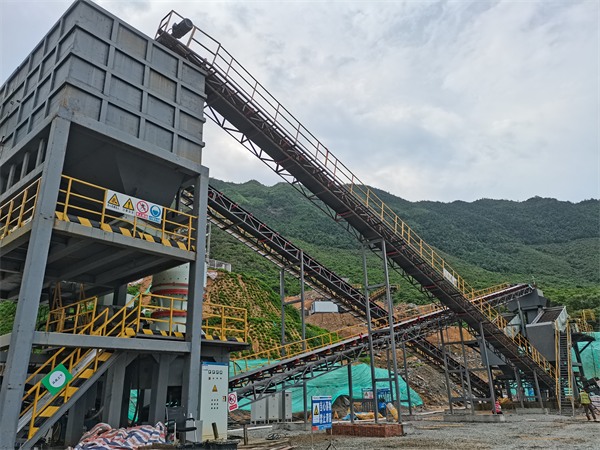
Top-notch engineering design: Following the contours of the mountain, a multi-tiered, stepped layout cleverly transforms the complex terrain into a gravity-flow technological advantage.
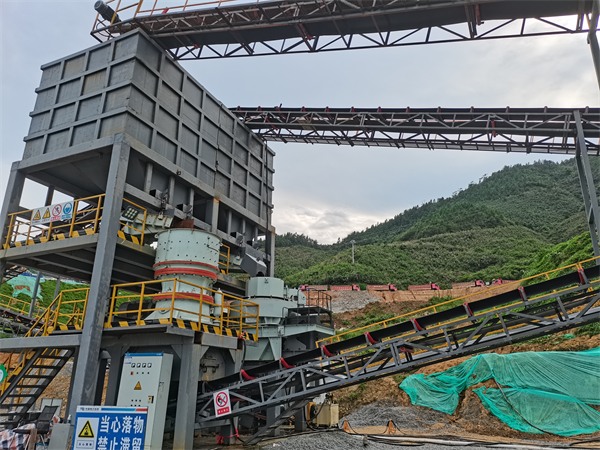
Dual-process synergistic shaping: The combination of vertical shaft impact crusher and cone crusher ensures excellent aggregate particle shape and high compressive strength.
Green, energy-saving, and cost-reducing: Civil engineering investment is reduced by more than 30%, energy consumption of the main conveyor motor is effectively reduced, and environmental compliance requirements are fully met.
Project Background and Challenges
Zhaoqing is located on the western wing of the Guangdong-Hong Kong-Macao Greater Bay Area. It is mountainous with little flat land, so water conservancy projects often require "building reservoirs in the mountains". This project required a steady, reliable supply of qualified aggregates for the construction of a large reservoir's dam body, tunnels, bank slopes, and slope protection structures.
The project team faces three major challenges:
1. Continuous and stable production capacity: A stable production capacity of 400 t/h must be maintained, with continuous material supply according to project milestones, and no downtime or disruptions are allowed.
2. Requirements for finished products of various specifications: The requirements for aggregate particle size, gradation and mud content vary greatly in different parts such as dam concrete, tunnel lining and reservoir bank slope.
3. Complex mountainous terrain: Land resources are scarce and the mountains are steep. The layout of the process must not only follow the terrain, but also achieve green production in the surrounding ecology. Innovative Design: A Site-Specific Process Solution for Mountainous Terrain
Instead of the conventional flat-ground layout, we tailored a terraced process design that perfectly aligns with the mountain's natural contours.
1. Terraced Layout Following the Terrain
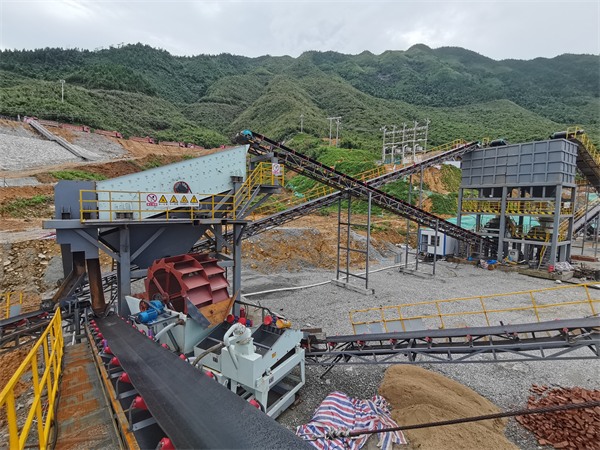
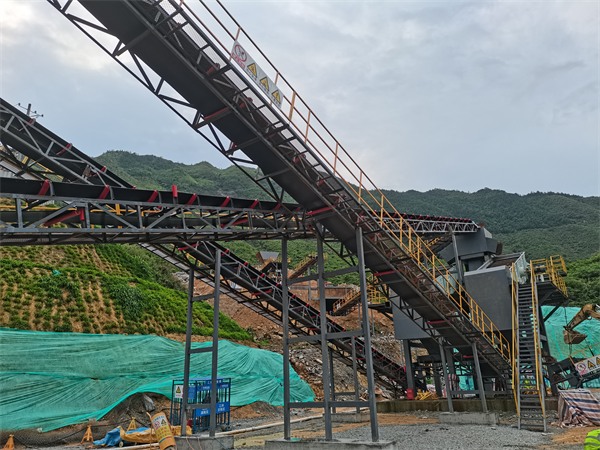
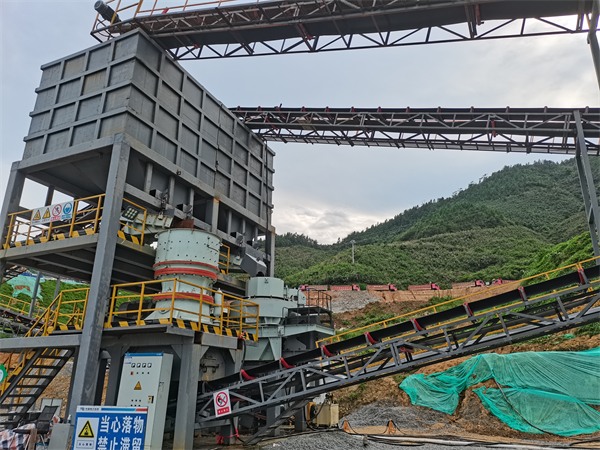
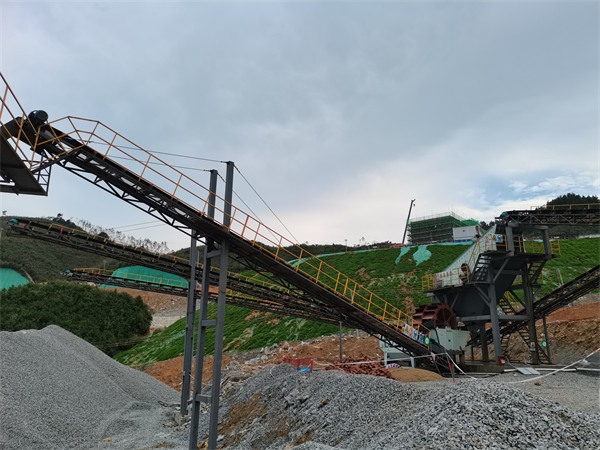
The entire production line unfolds from top to bottom: the raw material silo is situated in the upper-middle section; the jaw crusher occupies the middle section; the vertical shaft impact crusher and cone crusher are arranged on separate levels; and the sand washing and recovery system sits on the lowest platform. Multi-level steel platforms are staggered and interconnected, with long-distance belt conveyors running down the slope.
Core Value:
Civil engineering costs reduced by over 30%: No need to level the hilltop, eliminating extensive excavation and retaining wall construction.
Significant reduction in conveying energy consumption: Materials flow naturally with the slope, utilizing gravity; motor power requirements can be lowered in certain sections.
Minimized footprint: Three-dimensional use of mountain space maximizes the preservation of the original landscape and vegetation.
Easier environmental compliance: Dust and noise sources are concentrated in the upper section, away from residential areas at the mountain's base.
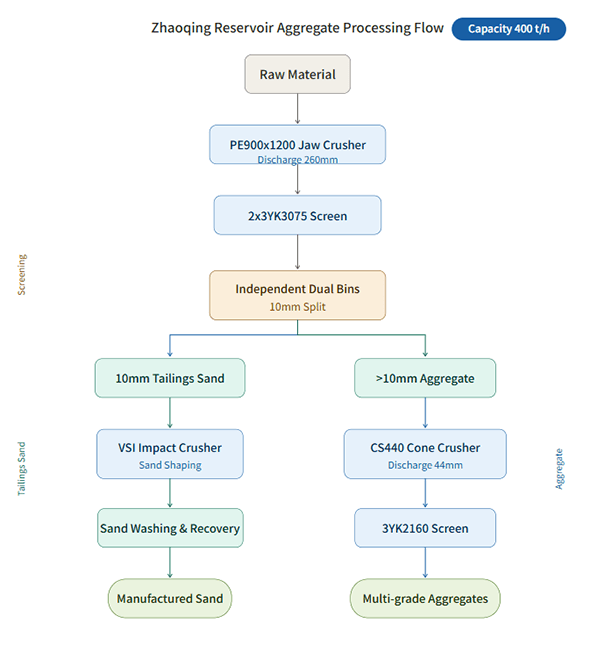
2. Synergistic "Vertical Shaft + Cone" Dual-Process
In a high-capacity scenario of 400 t/h, a single cone crusher struggles to balance throughput with particle shape requirements:
CS440 Single-Cylinder Hydraulic Cone Crusher (44 mm discharge opening): Handles the secondary crushing load, ensuring stable processing and uniform output size.
Vertical Shaft Impact Crusher: Responsible for shaping and fine material production, transforming coarse material into high-quality, near-cubical finished products.
Synergy: Ensures an overall throughput of 400 t/h while guaranteeing low flake/elongation content and optimal particle size distribution in the final product.
3. Precision Dual-Stage Screening and Sand Washing/Recovery System
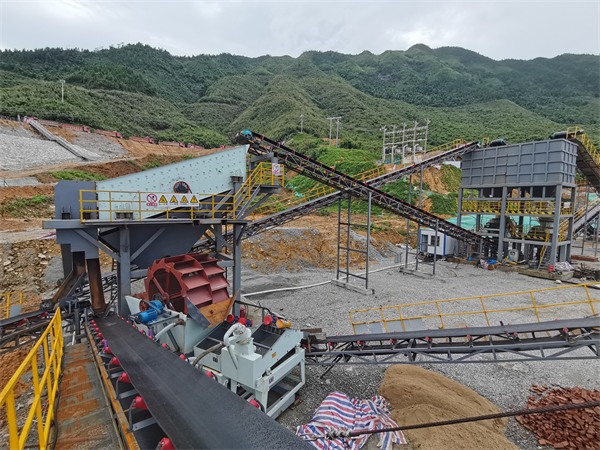
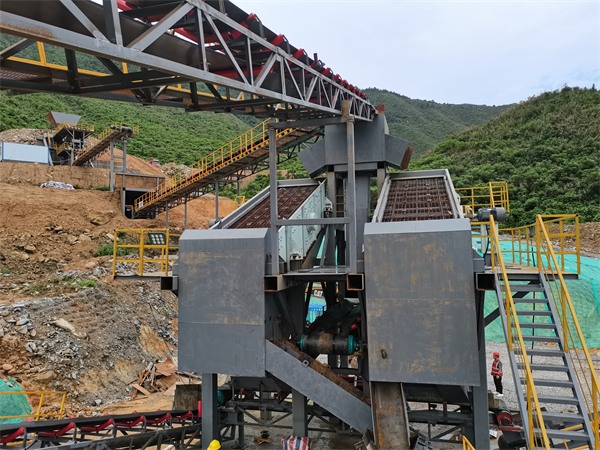
Two 3YK3075 Vibrating Screens: Perform pre-screening after primary crushing; compliant material is bypassed early to avoid re-entering the vertical shaft crusher, thereby saving energy and reducing over-crushing.
3YK2160 Vibrating Screen: Precisely separates multiple finished product specifications, perfectly meeting the diverse material requirements for dam construction, tunneling, and slope protection. Integrated Sand Washing and Recovery System: Designed for mountainous regions in the south where water resources are precious, this system combines fine sand recovery, silt content control, and clean water recycling into a single process; it strictly controls silt levels for hydraulic engineering projects while minimizing wastewater discharge.
Customer Benefits and Return on Investment
Guaranteed Project Schedule: The equipment is configured with a 15% production capacity margin and redundant key components to ensure continuous, stable operation of the entire line, allowing simultaneous progress across multiple work fronts without delays.
One-Stop Solution for Multiple Aggregate Specifications: A single production line simultaneously yields various specifications—including coarse aggregates for dams, aggregates for tunnel lining, fine aggregates for slope protection, and machine-made shotcrete sand—eliminating the need for external procurement or additional production lines.
Green Production, Passing Environmental Assessments with Ease: By integrating fully enclosed conveyor galleries, spray-based dust suppression, and a closed-loop water recycling system, dust and wastewater emissions are minimized, ensuring stable, long-term production even in areas with strict environmental regulations.