Aluminum Slag Valorization Project — Zhengzhou, Henan, China: MF80 Ultra-Fine Grinding Mill Turns 30cm Waste Rock into 15μm Micro-Powder
Project Background
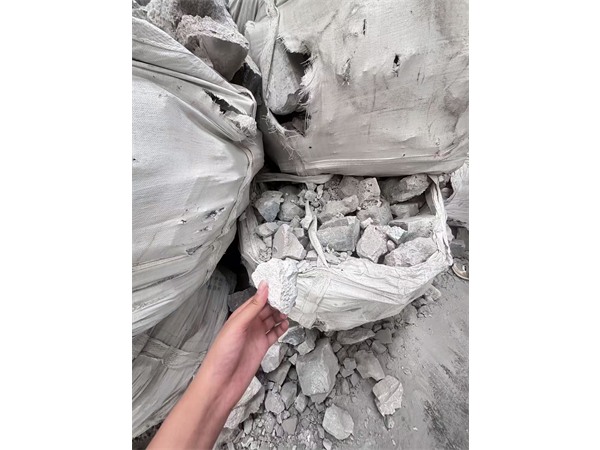
An aluminum producer based in Zhengzhou, Henan Province — a key regional player in alumina production — had long wrestled with a persistent headache: the massive accumulations of waste aluminum rock generated during the sintering process. The conventional disposal route — stockpiling and landfill — not only devoured valuable land but also brought mounting pressure from dust pollution, rising solid-waste disposal costs, and tightening environmental regulations.
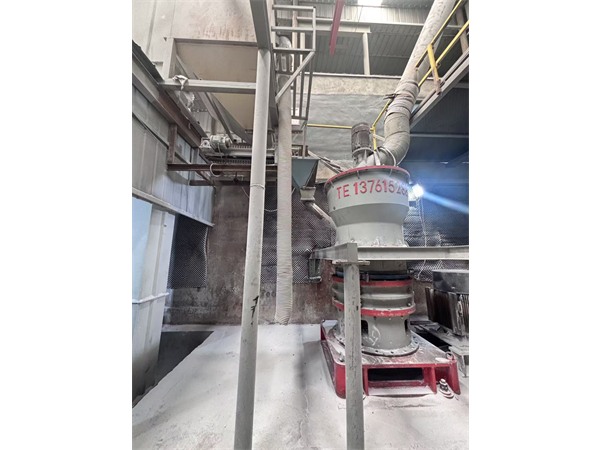
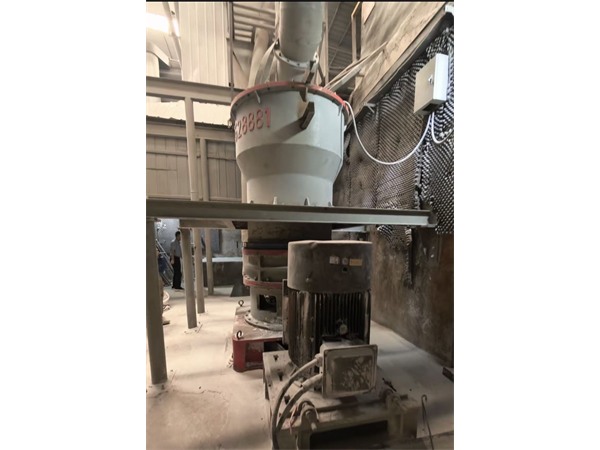
How do you turn these mountains of "industrial waste" back into high-value resources? After evaluating multiple solutions, the customer chose to partner with us and deploy a complete MF80 Ultra-Fine Grinding Mill production line, converting waste aluminum rock into in-demand alumina micro-powder feedstock for downstream industries.
Project Location: Zhengzhou, Henan Province, China
Customer Pain Points
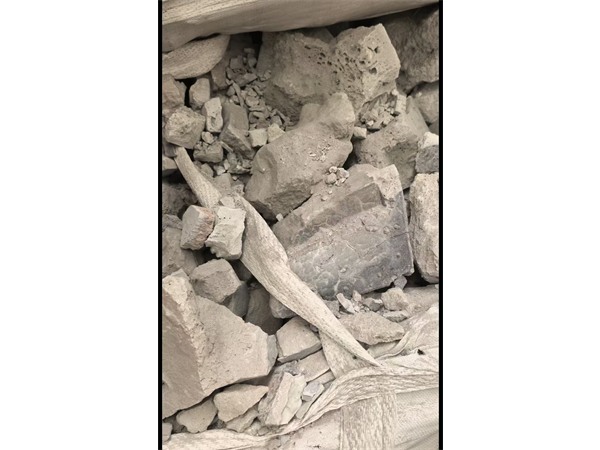
l Difficult waste disposal: Post-sintering waste aluminum rock features large particle sizes (up to 30cm+), with no mature high-value utilization pathway available;
l Severe environmental pressure: Traditional stockpiling poses dust and leaching risks, running contrary to China's "dual carbon" goals and circular economy policies;
l Limited revenue potential: Solid-waste disposal generates no returns — it incurs transportation and treatment costs with zero upside;
l Strong downstream demand: The fine chemical and synthetic cryolite industries face surging demand for ultra-fine alumina micro-powder, yet qualified feedstock supply remains critically tight.
Solution: Integrated Crushing—Grinding—Classifying Production Line
To address these pain points, we tailored a complete process route of "Primary Crushing → Automated Feeding → Ultra-Fine Grinding → Precision Classifying". Key equipment and their roles:
1. Primary Coarse Crushing System
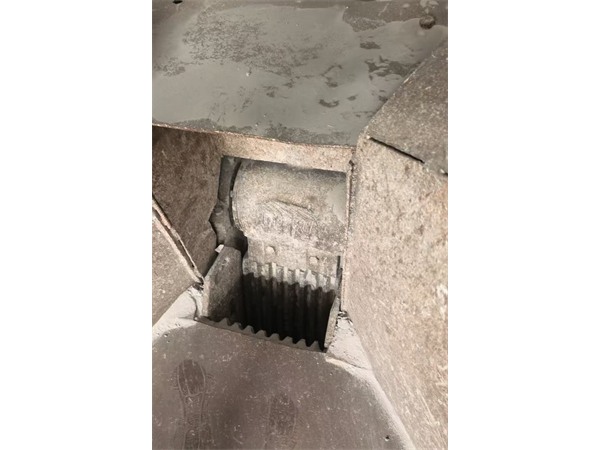
Waste aluminum rock blocks, originally up to 30cm in diameter, first pass through a jaw crusher for coarse crushing, reducing particle size to within the grinding mill's feed specification — laying the foundation for subsequent ultra-fine grinding.
2. Automated Feeding System
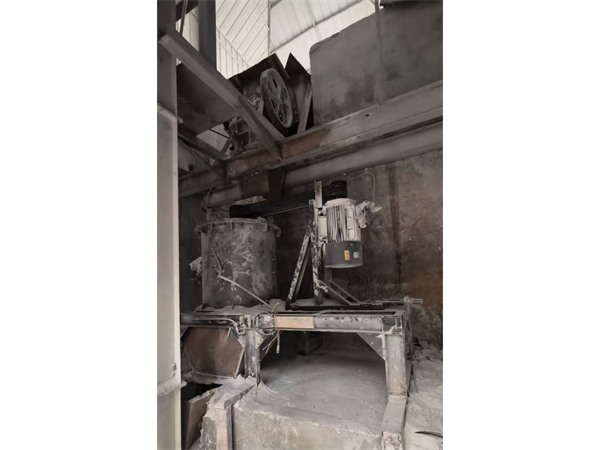
A variable-frequency controlled feeder delivers material smoothly and uniformly into the main mill, eliminating the fluctuation issues of manual feeding. This keeps the main machine consistently operating at its optimal grinding load.
3. MF80 Ultra-Fine Grinding Mill (Core Equipment)
l Optimized grinding roller and ring trajectories for maximum contact area and grinding efficiency;
l High-pressure grinding force easily handles high-hardness waste aluminum rock — 30cm boulders reduced to micro-powder in a single pass;
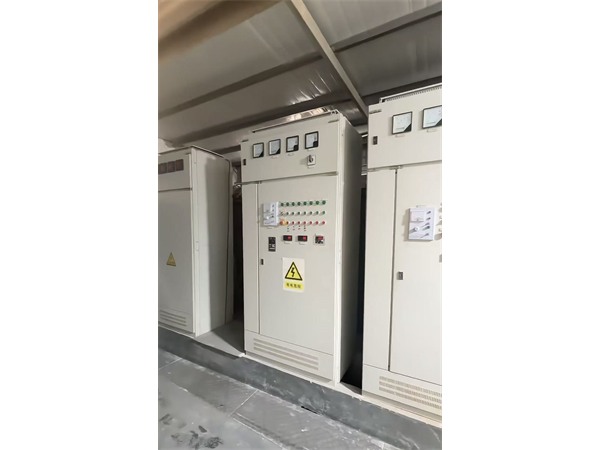
l PLC-based intelligent control ensures stable, reliable operation with low maintenance costs.
4. High-Performance Variable-Frequency Micro-Powder Classifier
l Variable-frequency speed control for precise particle-size classification — mesh size adjustable on demand;
l Closed-circuit operation with negative-pressure pneumatic conveying minimizes over-grinding;
l Finished product features uniform particle-size distribution and high purity.
Transformation Results: From "Waste" to "Gold"
Originally 30cm waste aluminum rock, after processing through the complete system, is transformed into:
Metric | Value |
Feed Particle Size | ≤30 cm |
Finished Product Fineness | 800 mesh (~15 μm) |
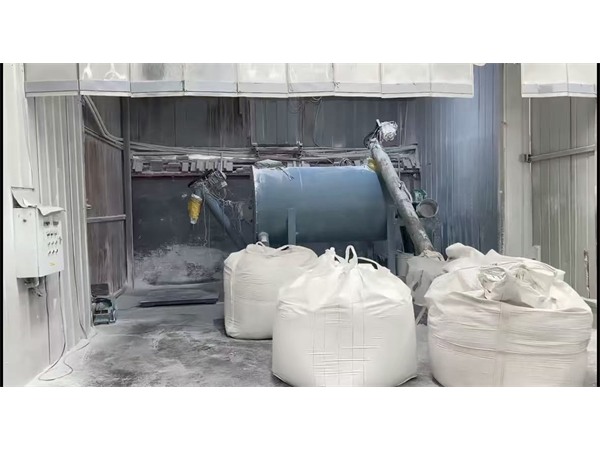
Product Form | Off-white alumina ultra-fine micro-powder, high purity |
Downstream Application | Premium feedstock for synthetic cryolite and custom processing |
The customer's alumina residue micro-powder now flows steadily to downstream fine chemical enterprises — a highly mature, refined technical route from "Waste Slag → Micro-Powder → Cryolite Feedstock" has been established.
Customer Value
Significant Economic Returns
Waste residue transformed into high-value feedstock — per-tonne product value has multiplied severalfold at current market prices. What once required paid disposal has become a profit center.
Outstanding Environmental Benefits
The stockpiling problem has been completely resolved, eliminating tens of thousands of tonnes of solid waste annually. The project fully aligns with China's "dual carbon" strategy and circular economy policies, delivering a substantial boost to the company's ESG profile.
Proven, Reliable Technology
The MF80 delivers adjustable fineness from 200 mesh to 2,500 mesh, with throughput spanning 0.5—45 T/H. Product specifications can be flexibly switched based on downstream orders — one machine, multiple products, flexible production.
Rapid Return on Investment
The complete production line has been operating at full capacity since commissioning, with equipment investment recovered within a short period. It is now in a stable, profitable operation phase.
Key Equipment Specifications
Parameter | Value |
Model | MF80 Ultra-Fine Grinding Mill |
Finished Product Fineness | 200—2,500 mesh (adjustable) |
Rated Throughput | 0.5—45 T/H |
Feed Particle Size | ≤30 cm |
Achieved Fineness | 15 μm (800 mesh) |
Application Areas | Alumina micro-powder, cryolite feedstock, etc. |
Project Summary
Through the mature technical route of "Crushing + Ultra-Fine Grinding + Precision Classifying", this project has successfully converted aluminum plant solid waste into high-value industrial feedstock, establishing a complete circular economy chain of "Waste Slag → Micro-Powder → Cryolite Feedstock".
With stable operational performance, flexible fineness control, and broad throughput adaptability, the MF80 Ultra-Fine Grinding Mill has opened a new pathway for high-value utilization of aluminum industry solid waste — proving that "lucid waters and lush mountains" and "mountains of gold and silver" can coexist in this Zhengzhou factory.
Model: MF80 | Location: Zhengzhou, Henan, China | Industry: Alumina / Fine Chemicals