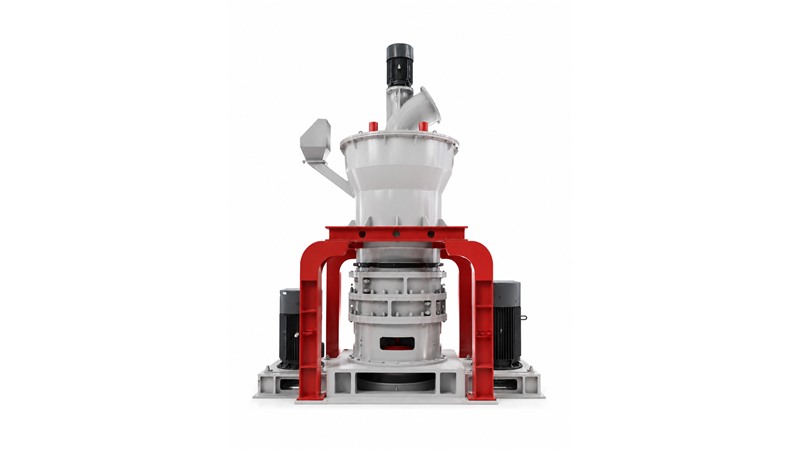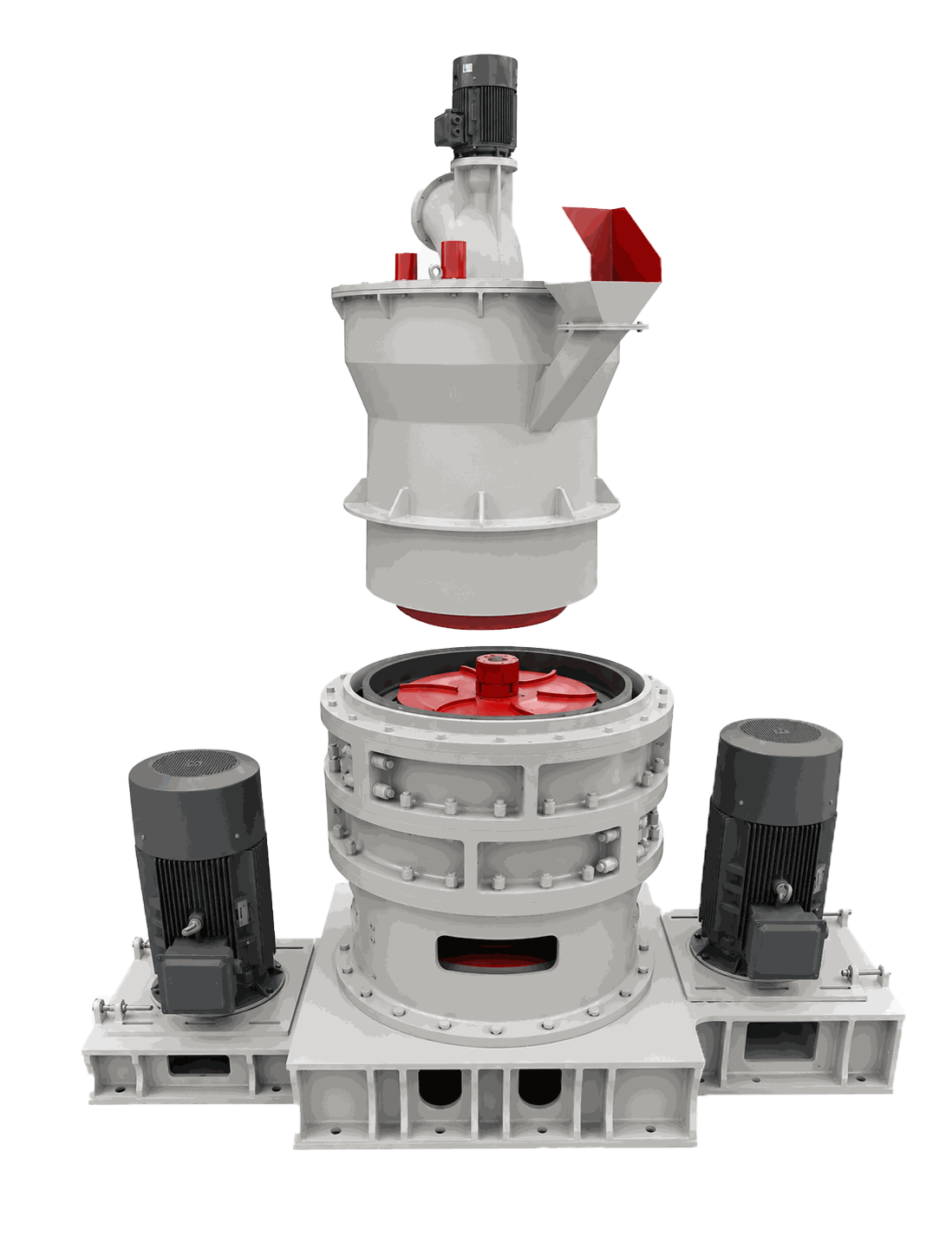
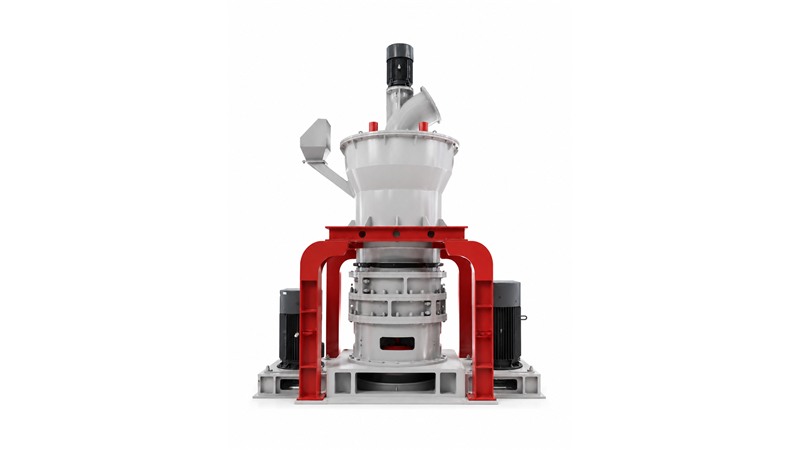
HCH Vertical Grinding Mill Overview
The HCH vertical grinding mill integrates grinding, drying, and classification in a single compact unit, delivering high yield with low energy consumption. By combining these three functions, it eliminates the separate dryer and classifier circuits that conventional grinding systems require, simplifying the plant layout and reducing capital cost.
The mill uses ring-and-roller grinding with a dynamic air classifier to produce a consistent, adjustable finished fineness. Its high single-machine throughput makes it an efficient choice for medium-scale powder producers.
Key Features
- Integrates grinding, drying, and classification — simplified process flow
- Low energy consumption — up to 30% savings vs ball mills
- Large capacity — high single-machine throughput
- Adjustable finished fineness — flexible product specification
- Compact footprint — reduces plant space requirements
Typical Applications
The HCH vertical mill is used for fine and ultrafine grinding of non-metallic minerals including limestone, calcite, talc, dolomite, kaolin, barite, and gypsum, and for materials used in coatings, plastics, rubber, paper, and chemical industries. It suits medium-capacity operations that need a reliable, low-energy grinding solution.
Operation Guidance
Set the classifier speed to control finished fineness — higher speed produces finer product at reduced throughput. Feed material should be pre-crushed to the mill's specified feed size and dried to the required moisture level to maintain stable operation and prevent ring and roller wear.
FAQ
Q: What fineness range can it produce? A: The HCH vertical mill produces medium-to-fine powders with an adjustable classifier setting; specific ranges depend on the model and material. Q: Is drying built in? A: Yes, the mill integrates drying, so moist feed can be processed without a separate dryer. Q: What are the main wear parts? A: The grinding ring and roller — regular inspection and replacement maintain efficiency.