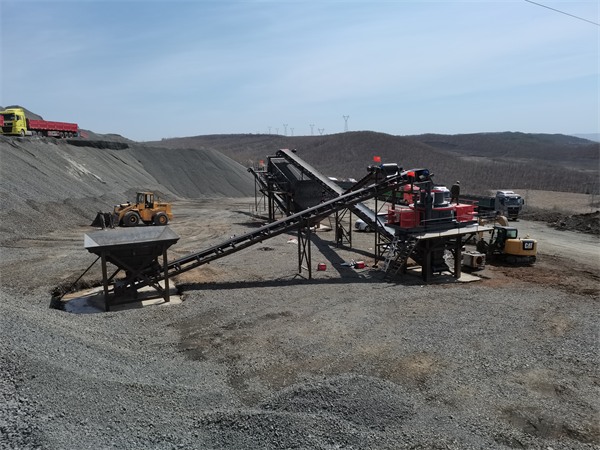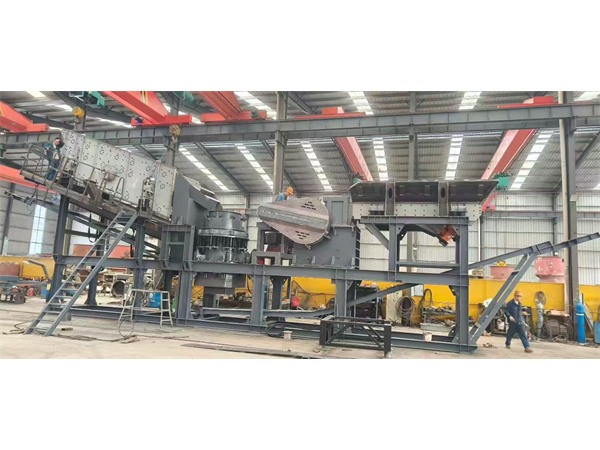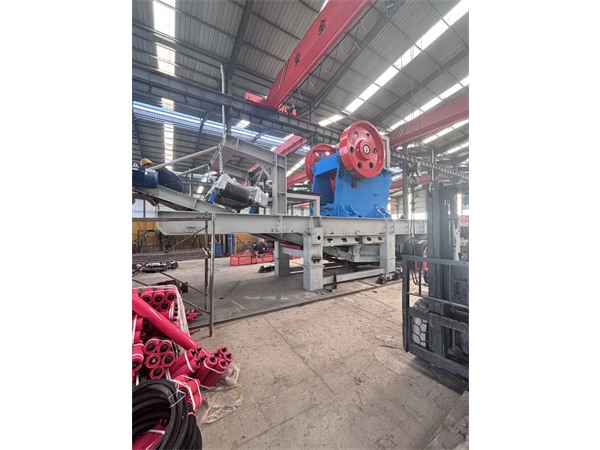
Buying a crusher plant for a quarry is an investment decision, not only an equipment purchase. Before choosing a supplier, investors should calculate production demand, product sizes, operating cost, and expected return.
The first question is market demand. What aggregate sizes are needed in the local market? Road construction, concrete batching, building material, railway, and asphalt projects may require different sizes. A plant should be designed around products that can be sold.
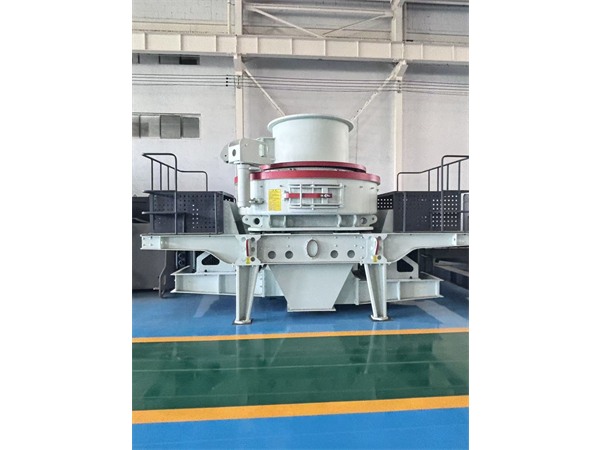
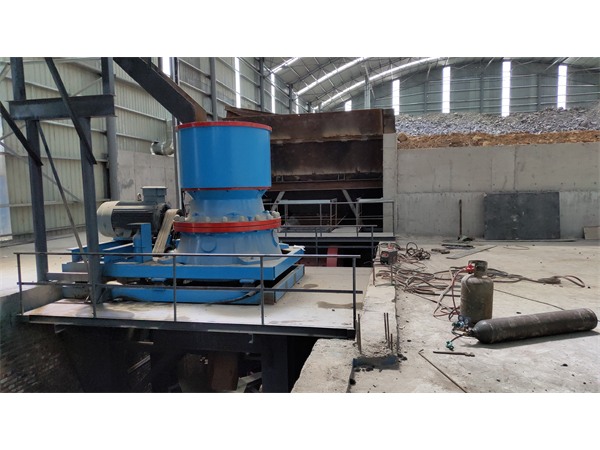
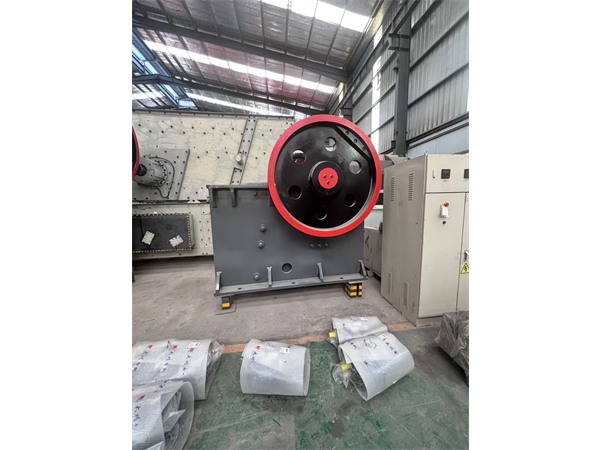
The second question is raw material. Limestone, granite, basalt, river stone, and ore require different crusher types. Material hardness and abrasiveness affect equipment selection and wearing parts cost. A plant for limestone may use jaw crusher and impact crusher, while a hard stone quarry often needs jaw crusher and cone crusher.
The third question is capacity. A higher capacity plant can produce more material, but it also requires higher investment, larger site, more power, and more supporting equipment. Investors should choose capacity based on sales plan and operating hours, not only ambition.
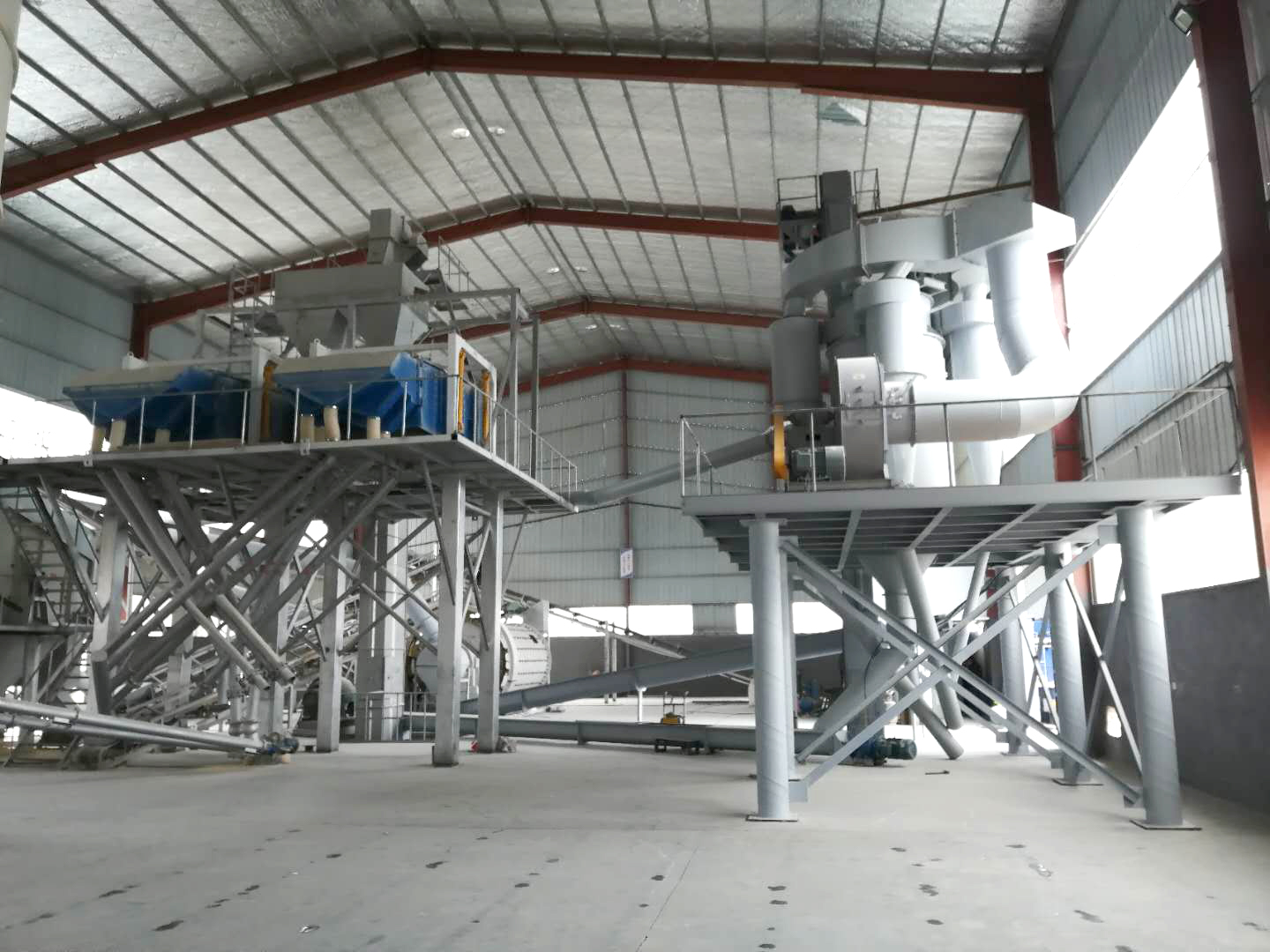
The fourth question is total cost. Equipment price is only part of the investment. Foundation, installation, electrical system, conveyors, spare parts, labor, fuel or electricity, maintenance, and transportation should be included.
The fifth question is supplier support. A good crusher plant supplier should provide flow chart, layout, equipment list, installation guidance, spare parts plan, and after-sales support. Technical communication before purchase is very important.
SDMAK can help quarry investors evaluate raw material, market product sizes, capacity, plant layout, and equipment configuration. A well-planned crusher plant can reduce risk and create more stable long-term profit.