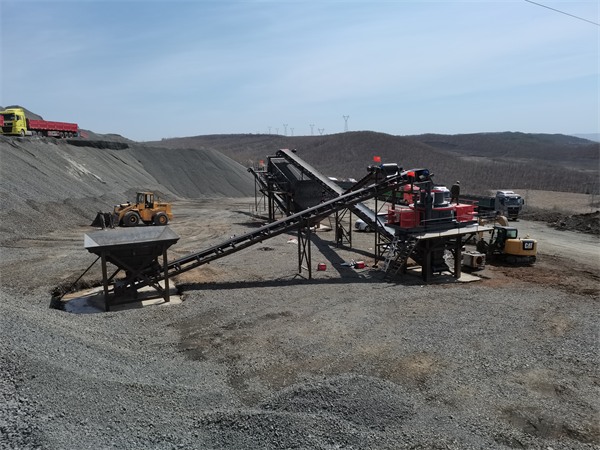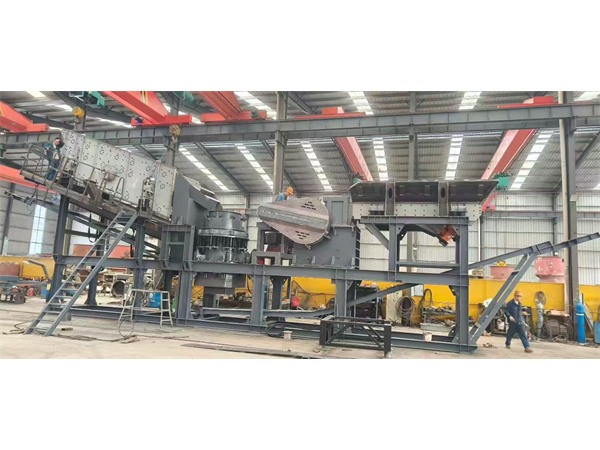
A 200 tph aggregate crushing plant is a common choice for medium-size quarry operators, road contractors, and commercial aggregate producers. It can produce stable output while keeping investment and operation cost at a practical level.
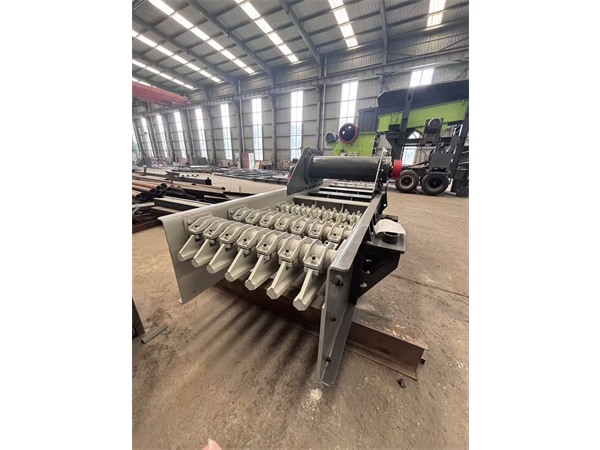
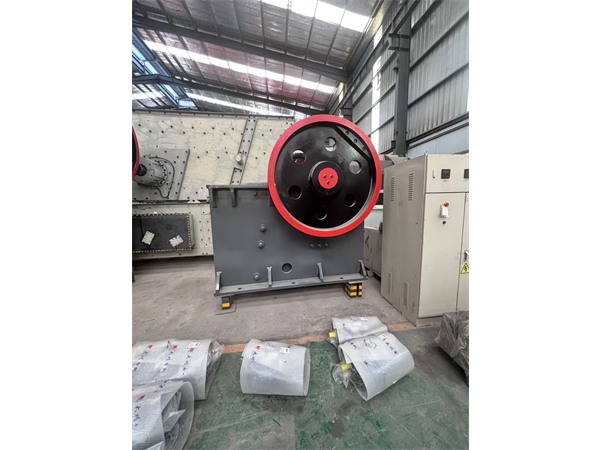
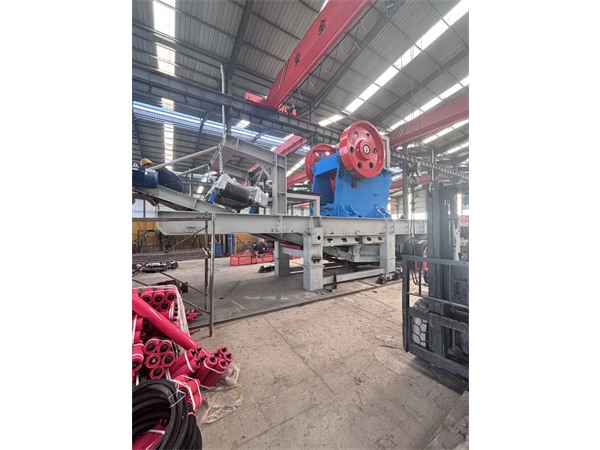
The process usually begins with a vibrating feeder and jaw crusher. The jaw crusher handles large raw stones and reduces them for secondary crushing. After primary crushing, the material is transported by belt conveyor to the secondary crusher.
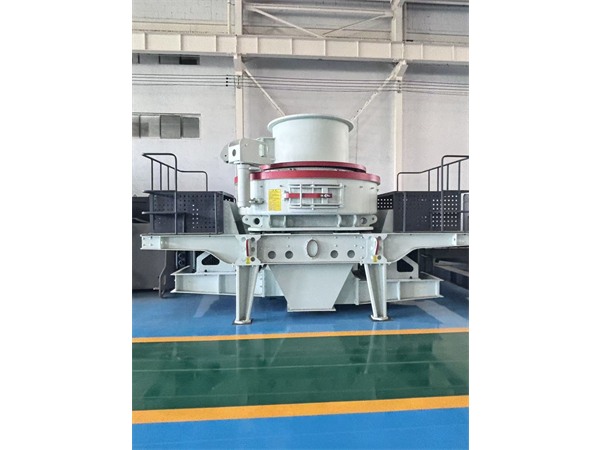
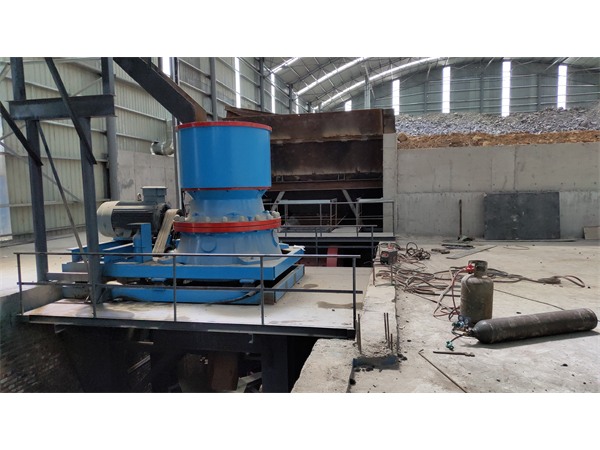
The secondary crusher depends on the raw material. For limestone, an impact crusher can provide good particle shape and efficient crushing. For granite, basalt, river stone, and other hard rock, a cone crusher is usually recommended because it has better wear resistance.
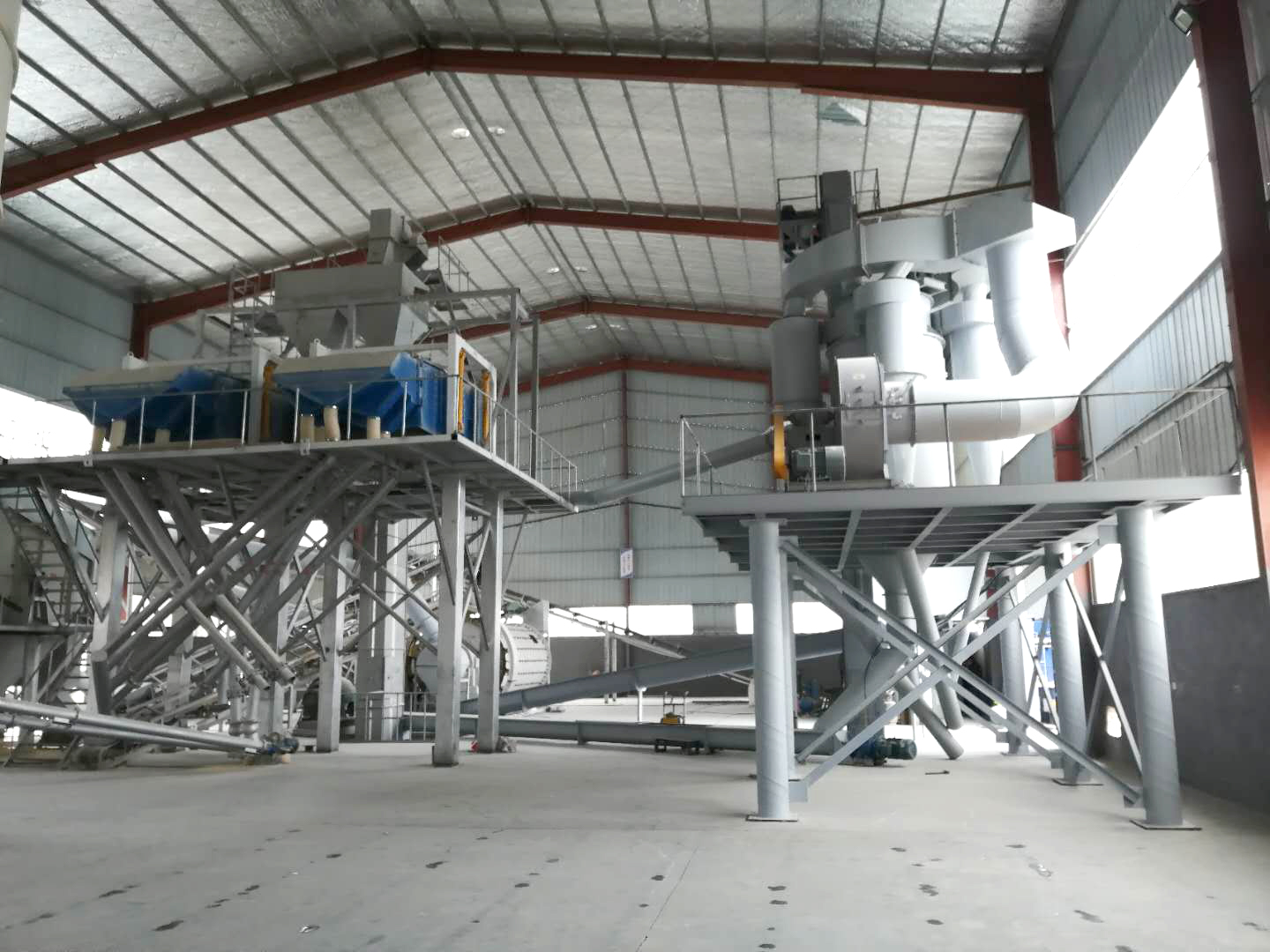
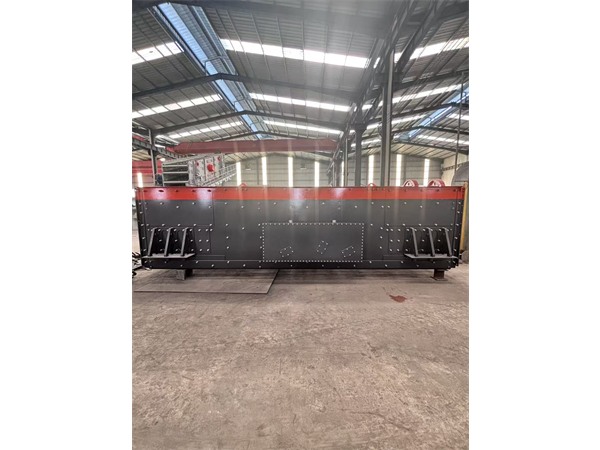
After secondary crushing, the vibrating screen separates final products into required sizes. A 200 tph plant may produce several aggregate sizes at the same time, such as 0-5 mm, 5-10 mm, 10-20 mm, and 20-30 mm. Oversized material returns to the crusher for a closed circuit.
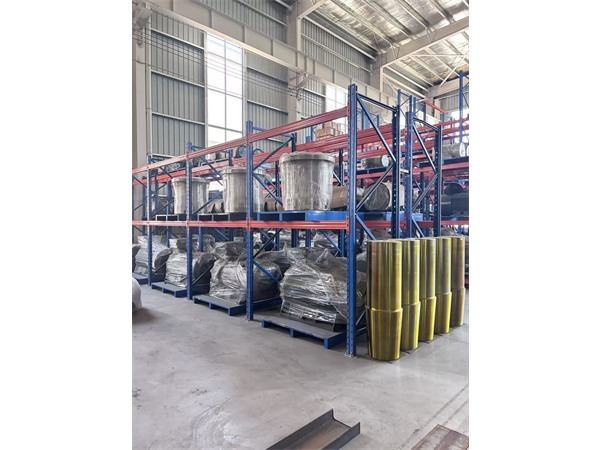
Buyers should also consider stockpile design, dust control, maintenance space, electrical control, and spare parts. A 200 tph plant requires balanced equipment. If one part is too small, the entire line cannot reach the target capacity.
Before requesting a quotation, prepare your material type, feed size, required output sizes, capacity, working hours, and site layout. SDMAK can design stationary, modular, or mobile 200 tph aggregate crushing plant solutions according to project needs.