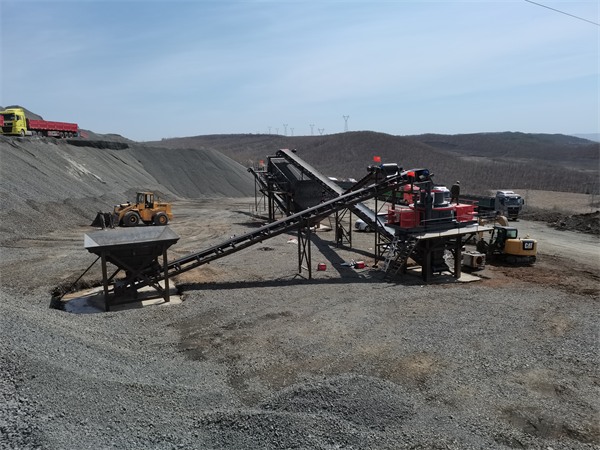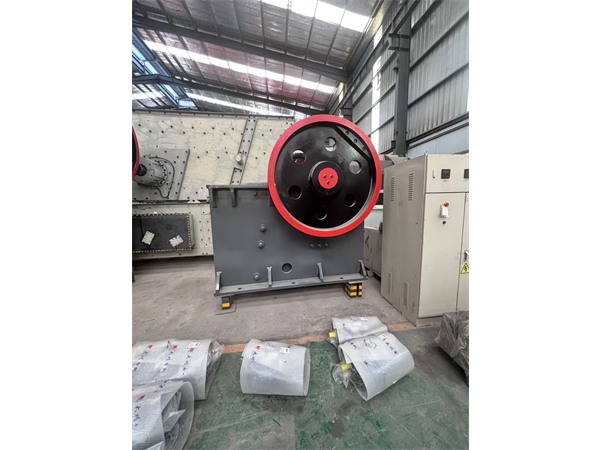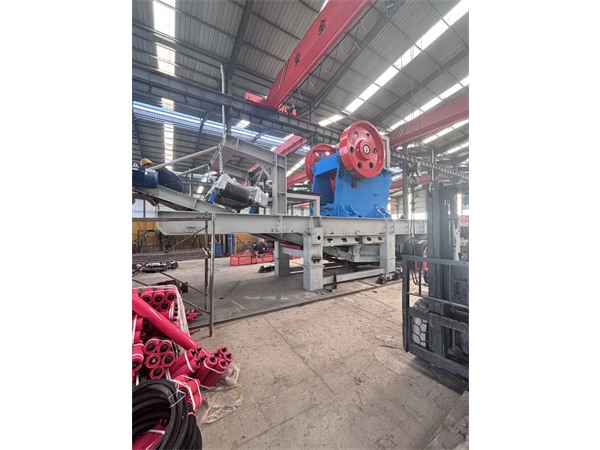
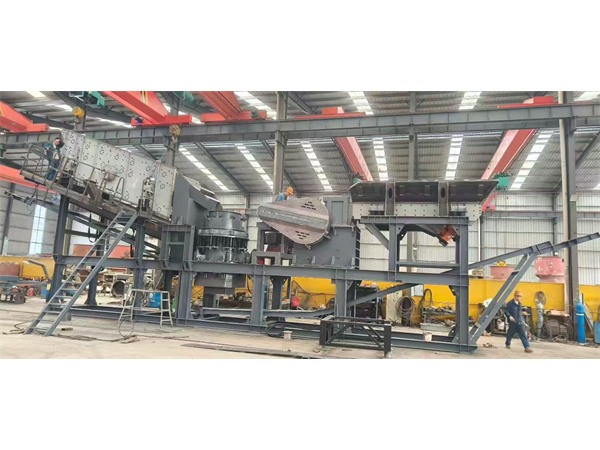
Mining contractors often work on projects with changing locations, limited installation time, and strict production schedules. A mobile crushing plant can help contractors reduce site preparation work and start production faster than a traditional fixed plant.
The main benefit is mobility. A mobile crusher can be transported to different project sites and placed near the raw material source. This reduces haulage distance, fuel consumption, and truck operating cost. For temporary mining or road construction projects, this flexibility can improve overall project efficiency.
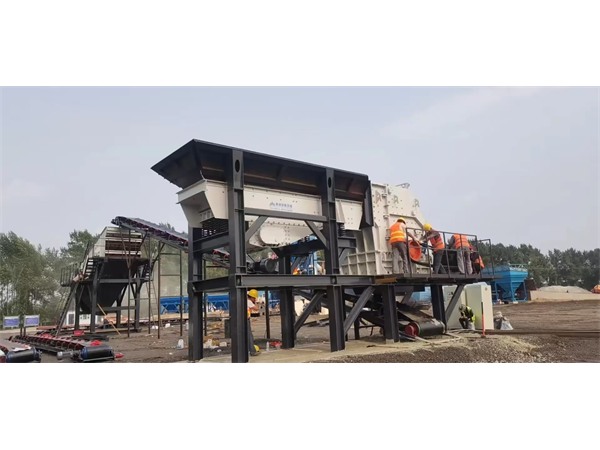
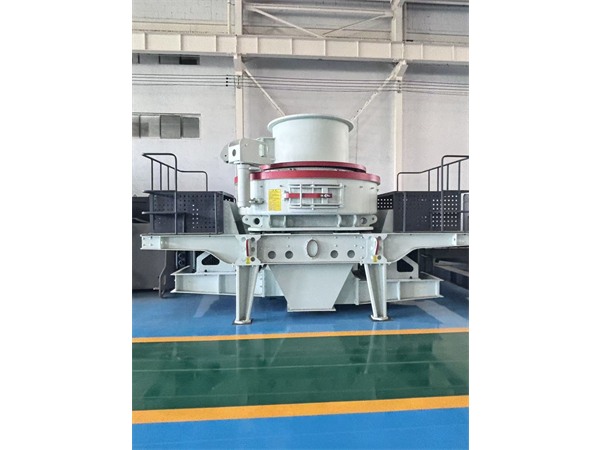
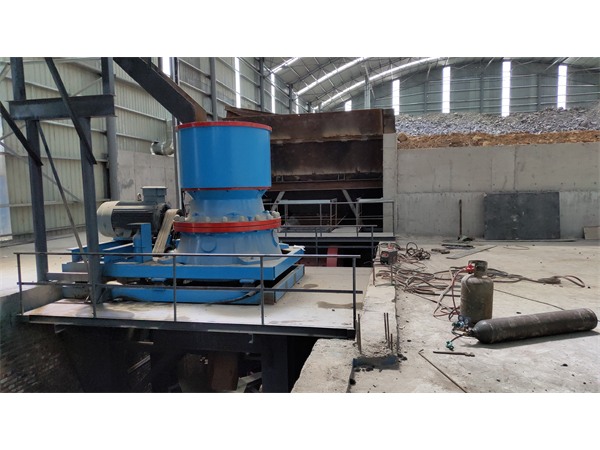
Mobile crushing plants can be configured with jaw crusher, impact crusher, cone crusher, or screening equipment. A mobile jaw crusher is suitable for primary crushing. A mobile cone crusher is used for hard stone secondary crushing. A mobile impact crusher is often used for limestone, recycled concrete, and materials requiring good particle shape.
Contractors should choose equipment based on the project material and required output. For hard rock mining, wear resistance and crushing force are important. For construction aggregate, final product shape and grading may be more important. For remote projects, fuel consumption, power system, spare parts supply, and maintenance access should also be considered.
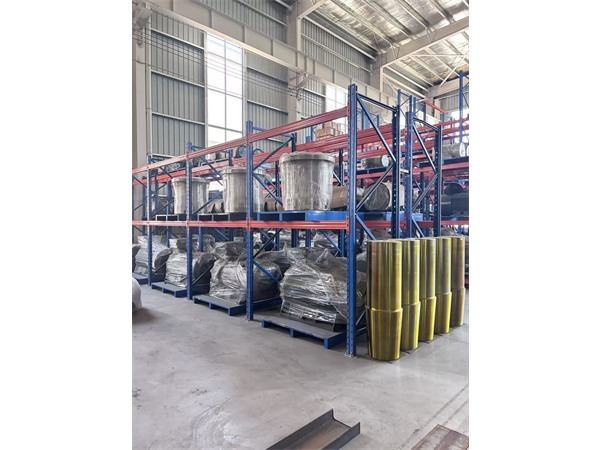
Buyers should ask suppliers for a full mobile plant proposal, including equipment configuration, layout, capacity estimate, fuel or power requirement, transport dimensions, and spare parts list. A mobile crusher is not only one machine; it is a production system.
SDMAK can help mining contractors build mobile crushing solutions for quarry, aggregate, mining, and recycling projects. With the right configuration, contractors can improve flexibility, reduce site preparation time, and serve more projects with one equipment fleet.