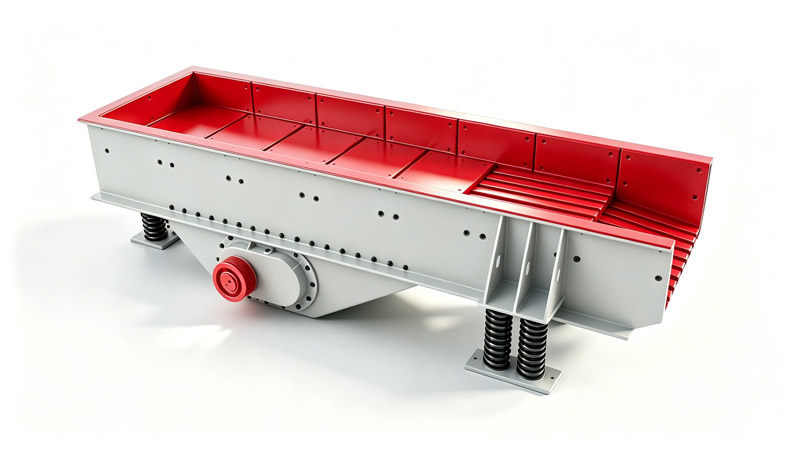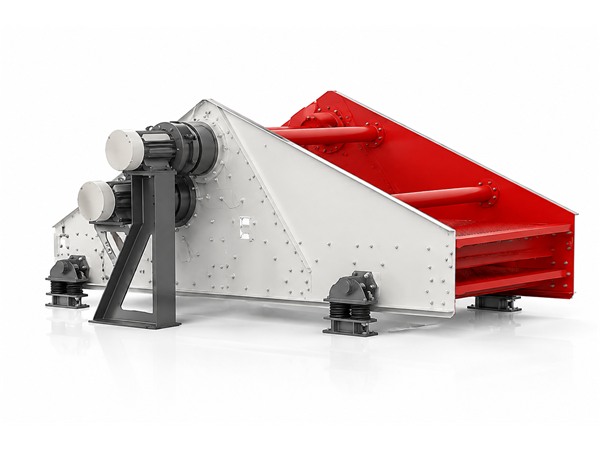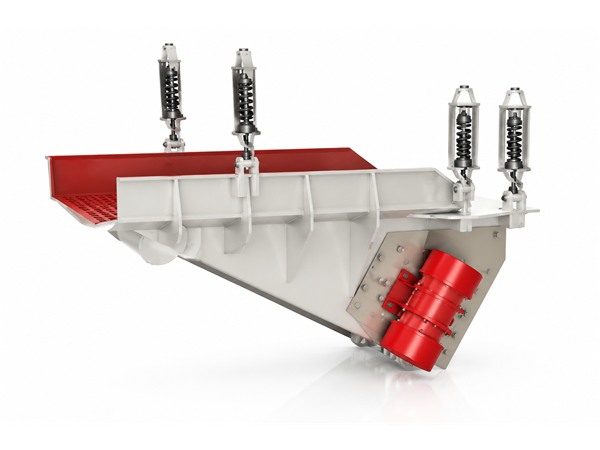
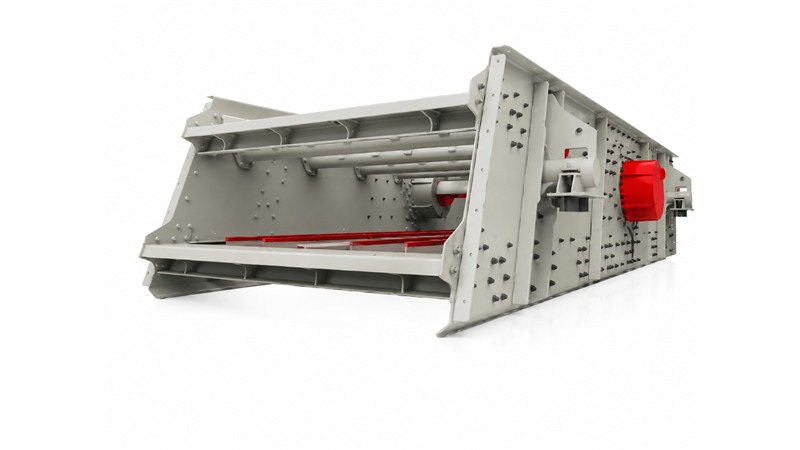
YK Circular Vibrating Screen Overview
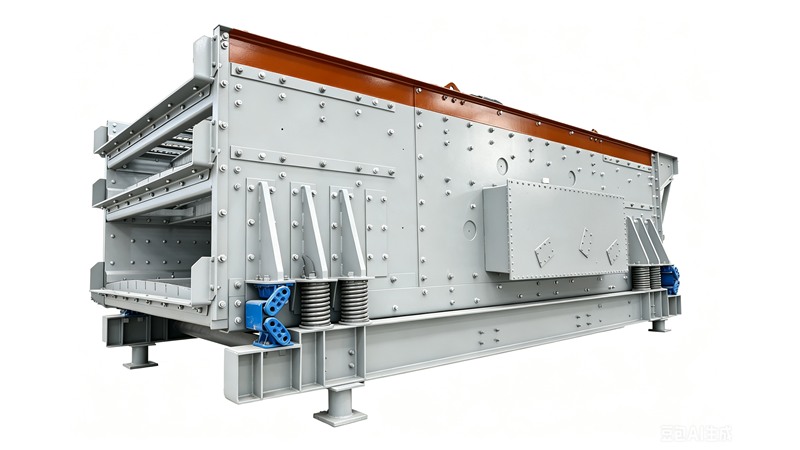
The YK circular vibrating screen is the standard classification machine in aggregate and mining plants. Its eccentric block exciter generates a strong circular vibration that stratifies the material bed and moves particles efficiently across the screen surface, delivering high screening efficiency and large processing capacity. With 2 to 4 deck configurations and capacities from 10 to 800 t/h, the YK series covers nearly every sizing application.
The screen box is assembled with high-strength bolted joints and reinforced steel plates, providing the rigidity needed for stable operation under heavy impact load. Screen panels can be wire mesh, polyurethane, or rubber, depending on the material and required cut points.
Key Features
- Eccentric block exciter — strong vibration force, high screening efficiency
- High-strength bolted screen box — stable under heavy load
- High-resistance steel plate frame — impact resistant and durable
- 2-4 deck configurations — multiple product fractions in one pass
- Wide model range — 10 to 800 t/h processing capacity
- Interchangeable screen panels — woven wire, polyurethane, rubber
Typical Applications
The YK circular screen is used for the classification of crushed stone, gravel, sand, and ore in aggregate production lines, mining plants, coal preparation, and construction waste recycling. Typical duty includes separating 0-5, 5-20, 20-40, and 40-80 mm fractions after primary or secondary crushing, and removing fines before feeding crushers.
Selection and Maintenance Tips
Select the number of decks based on the number of finished fractions required — a 2-deck screen yields three fractions, a 3-deck yields four. Choose the screen panel material according to cut size: wire mesh for coarse fractions, polyurethane for fine and wet screening. Keep the exciter balanced and greased on schedule; an unbalanced or dry exciter causes vibration and premature bearing failure.
FAQ
Q: What is the difference between YK circular and ZK linear screens? A: The YK produces circular motion for coarse classification with high capacity; the ZK linear screen produces straight-line motion that is more effective for dewatering and fine classification. Q: Why does screening efficiency drop? A: Usually blinding (clogged apertures) from wet or sticky fines, worn panels, or incorrect feed distribution — check panels and the feed chute spreader. Q: Can I change the vibration amplitude? A: Yes, by adding or removing counterweights on the eccentric block exciter.