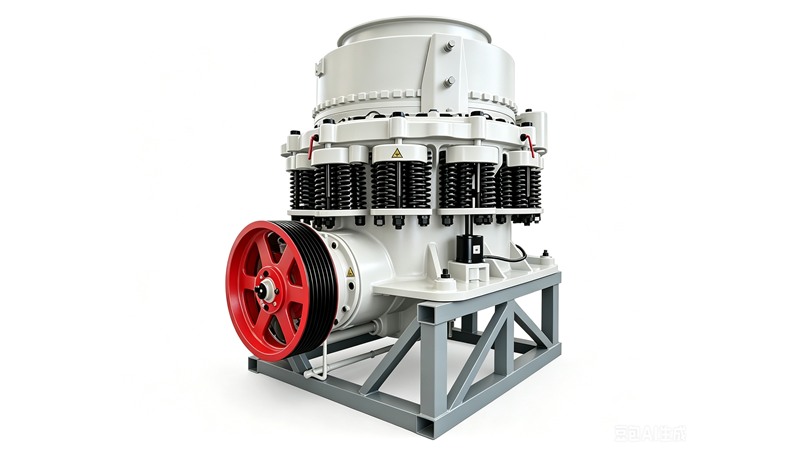
PY Spring Cone Crusher Overview
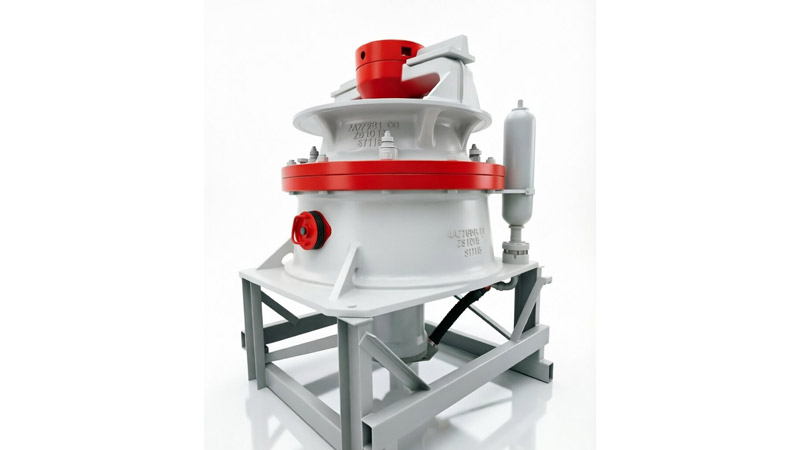
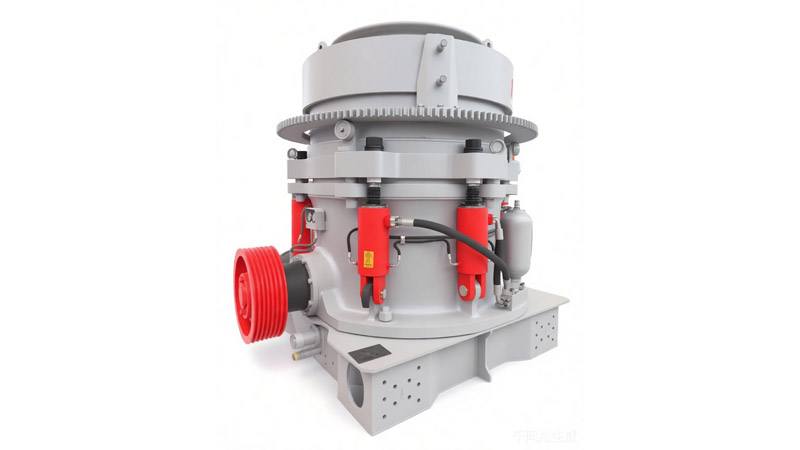
The PY spring cone crusher is the classic, proven design for secondary and tertiary crushing of hard and medium-hard ores and rocks. Its spring-loaded overload protection absorbs uncrushable material safely, and the machine returns automatically to its original setting without damage. Available in standard, medium, and short-head chamber types, it covers every stage from coarse secondary crushing to fine tertiary reduction.
With over half a century of field-proven reliability, the PY series remains one of the most economical cone crusher choices for operators who need a robust, low-cost machine with simple maintenance. Dry-oil and water seal systems protect the internal mechanisms from dust, extending bearing and gear life in dusty plant environments.
Key Features
- Three chamber types — standard, medium, and short-head for different stages
- Spring overload protection — safe handling of uncrushable material
- Dry-oil and water seals — dust-proof internal protection
- Simple, robust structure — low operating and maintenance cost
- Large crushing ratio with stable, uniform product size
Typical Applications
The PY spring cone crusher is widely used for secondary and tertiary crushing of iron ore, copper ore, limestone, quartz, granite, and sandstone, and in aggregate production for highway, railway, and dam construction. The short-head type is particularly suited to fine crushing stages where tight product size matters, while the standard type handles the higher-tonnage secondary stage.
Selection Guide
Select the standard type for secondary crushing of 60-300 mm feed, the medium type for intermediate duty, and the short-head type for fine tertiary crushing down to 3-25 mm. Match the crushing chamber to the required product size and the feed's moisture and clay content — high-clay feeds may need a pre-screening stage to protect the crushing cavity.
FAQ
Q: Why use a spring cone instead of a hydraulic cone? A: Lower capital cost and simpler maintenance — ideal for medium operations where the faster adjustment of hydraulic units is not required. Q: How is overload protection triggered? A: Springs compress to let the bowl lift and pass uncrushable material, then return automatically. Q: What causes product shape problems? A: Usually a worn liner profile or an un-choked feed; ensure a full, even feed and replace liners before the profile rounds off.