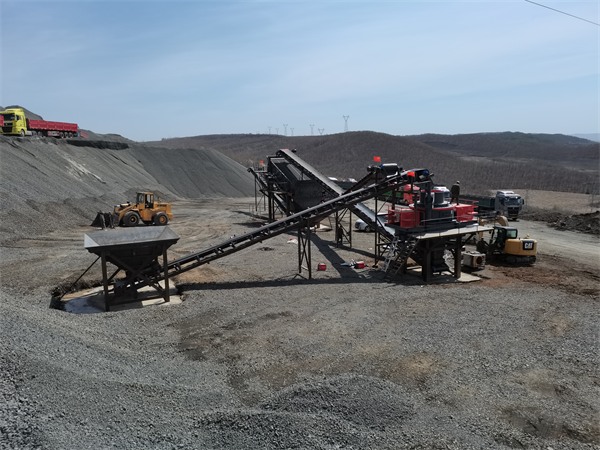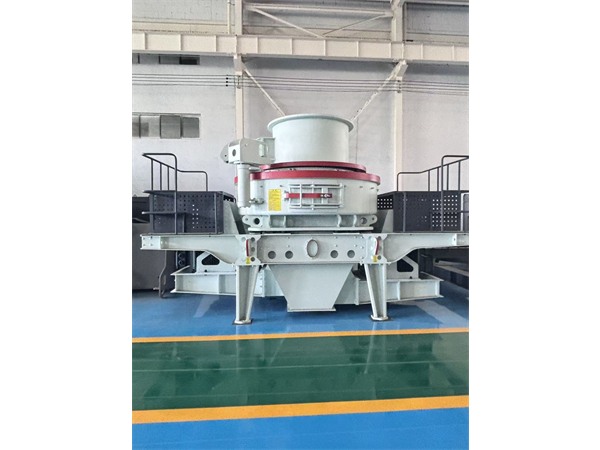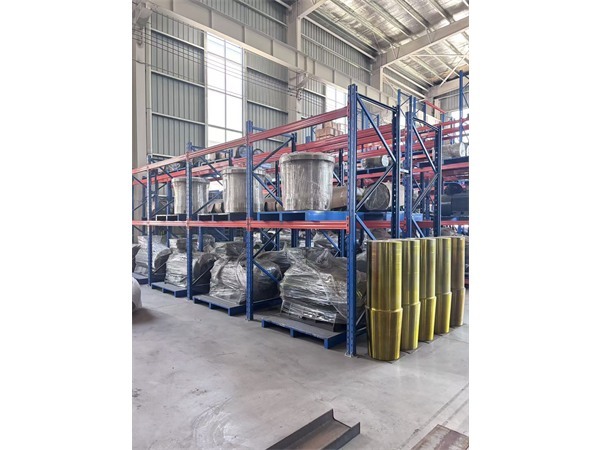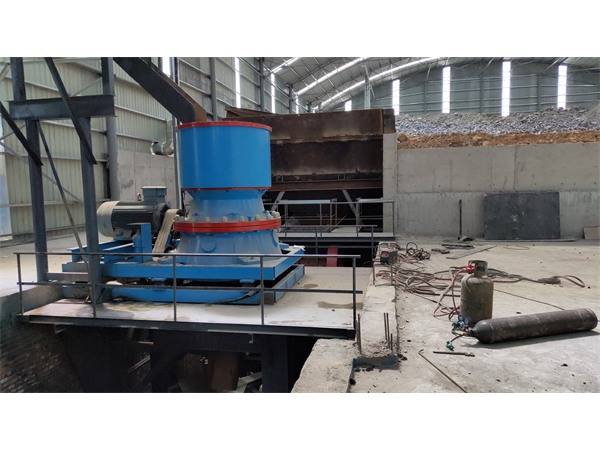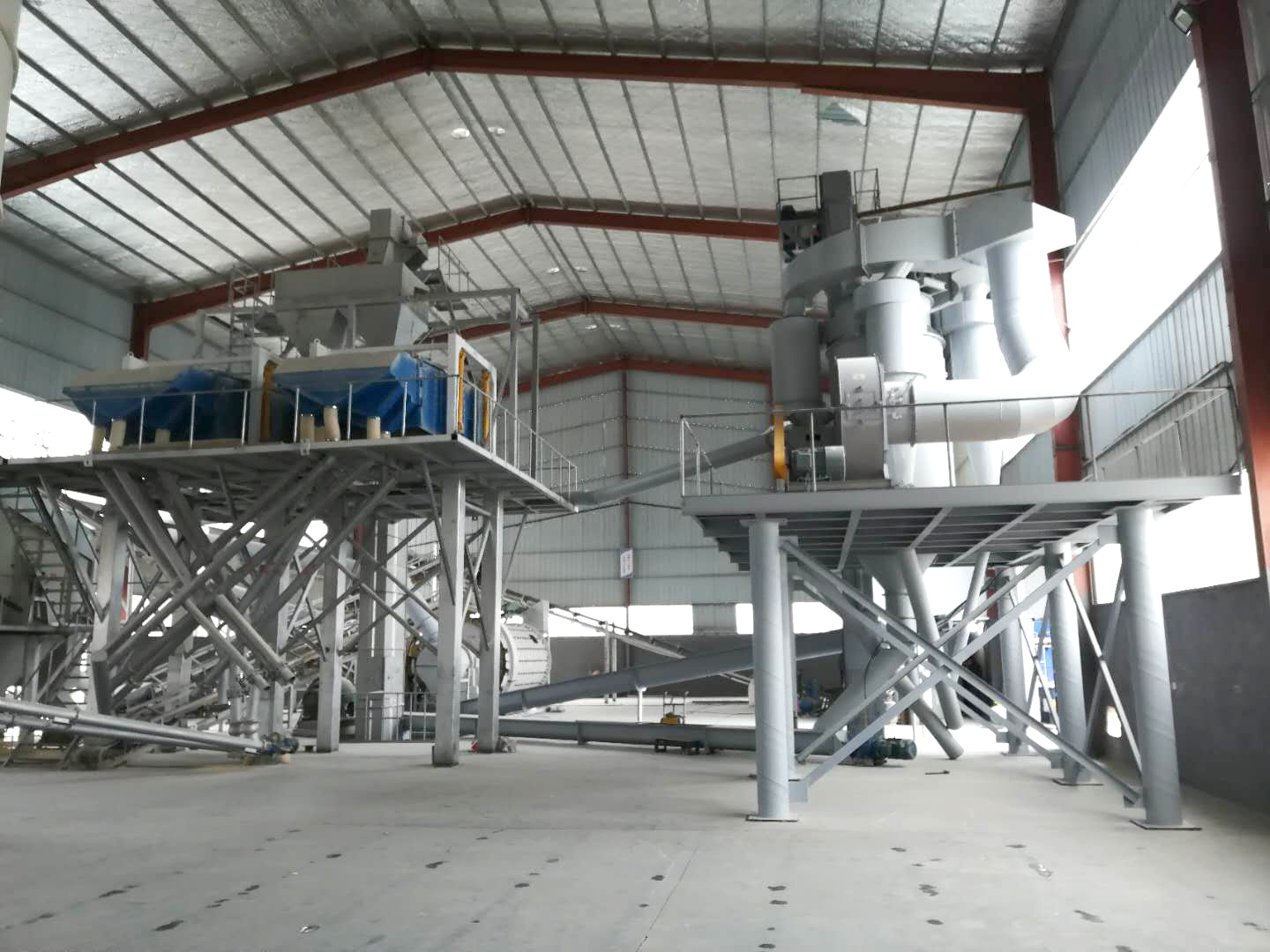
A 100 tph stone crushing plant is a popular choice for small and medium aggregate producers, road construction contractors, and quarry investors. It provides a balance between production capacity, investment cost, site space, and operating flexibility.
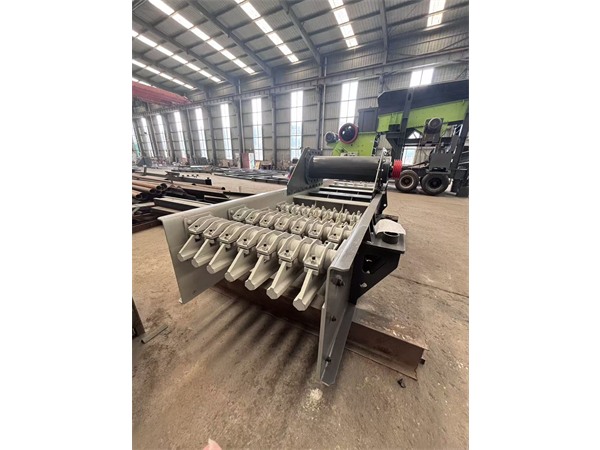
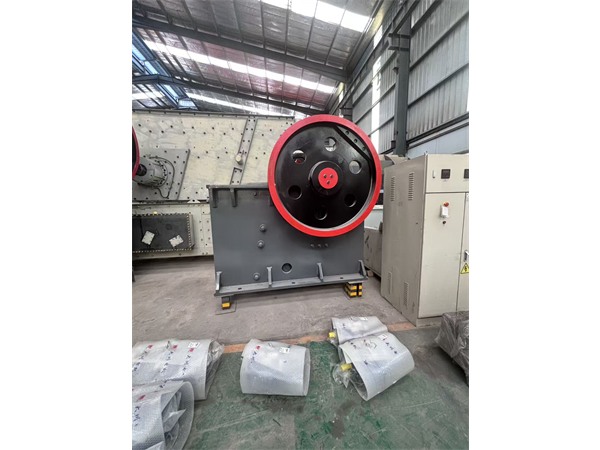
The standard configuration usually starts with a vibrating feeder. The feeder sends raw stone evenly into the primary jaw crusher and helps reduce impact on the crushing chamber. The jaw crusher breaks large rocks into smaller stones suitable for secondary crushing.
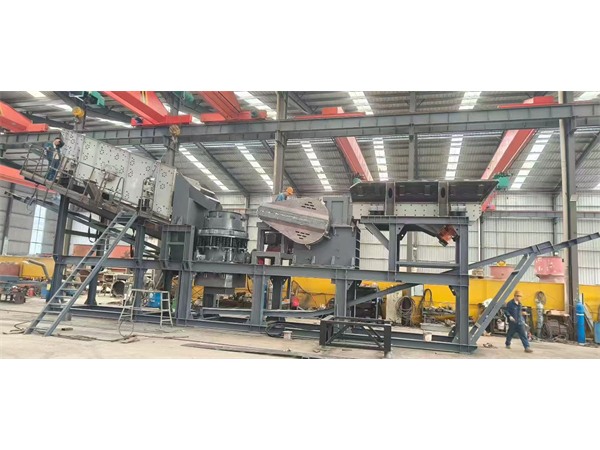
For the secondary stage, the choice depends on the material and final product shape. If the raw material is limestone or other medium-soft stone, an impact crusher can produce good particle shape and is often used for aggregate production. If the raw material is granite, basalt, river stone, or other hard rock, a cone crusher is usually more suitable because it offers better wear resistance and stable performance.
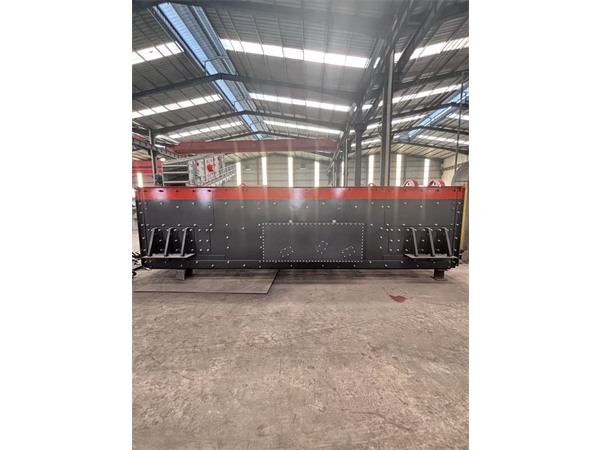
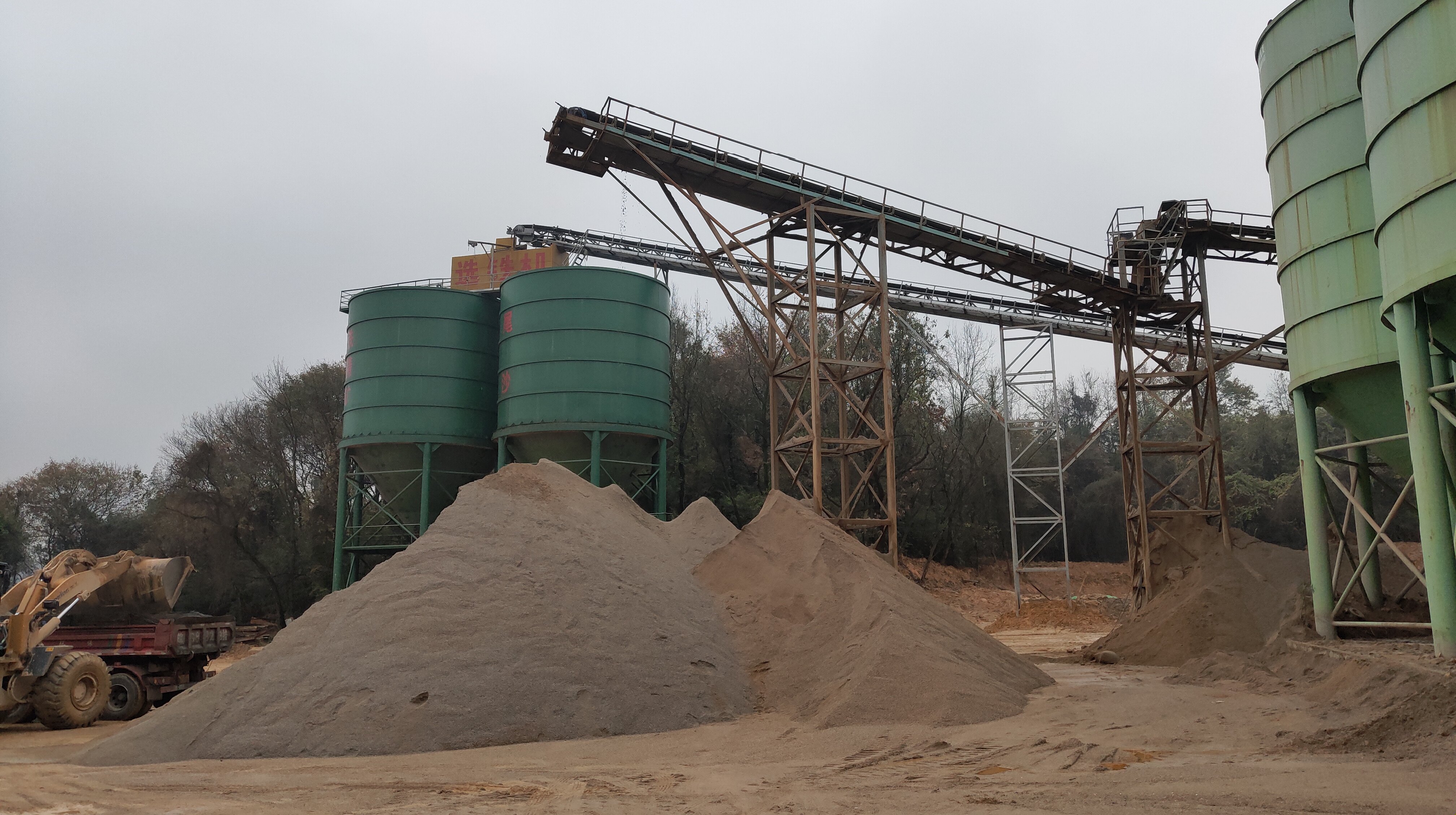
After secondary crushing, the material enters a vibrating screen. The screen separates finished aggregate into different sizes, such as 0-5 mm, 5-10 mm, 10-20 mm, and 20-30 mm. Oversized material can return to the crusher for further processing. Belt conveyors connect each machine and keep the production line continuous.
When buying a 100 tph crushing plant, do not focus only on the crusher model. The whole process design is more important. If the feeder is too small, the crusher cannot reach full capacity. If the screen area is too small, final product classification will be unstable. If the conveyor width is not matched, material blockage can happen.
SDMAK can design stationary, modular, or mobile 100 tph crushing plant solutions according to site condition, raw material, final aggregate size, and budget. A properly configured line helps reduce downtime and improve long-term return on investment.