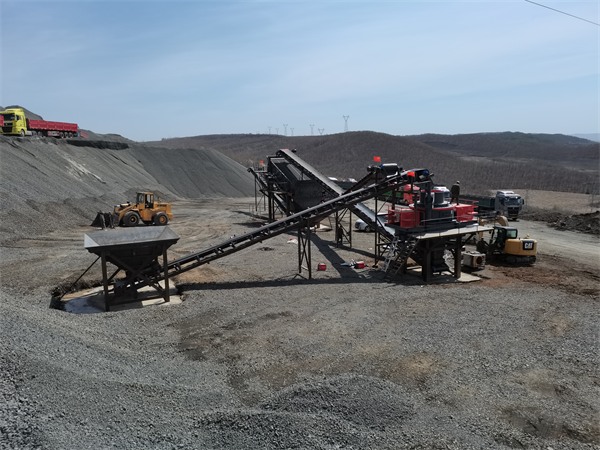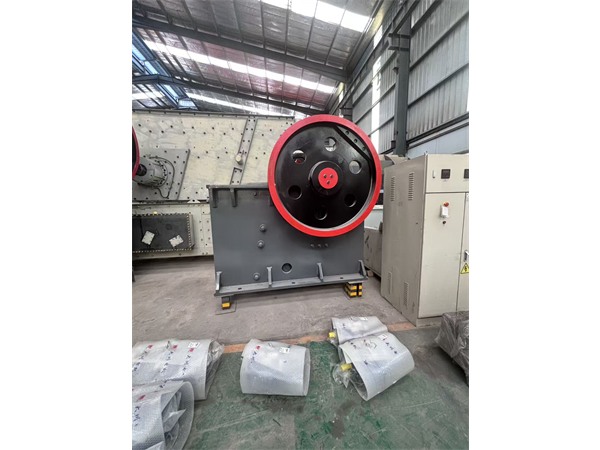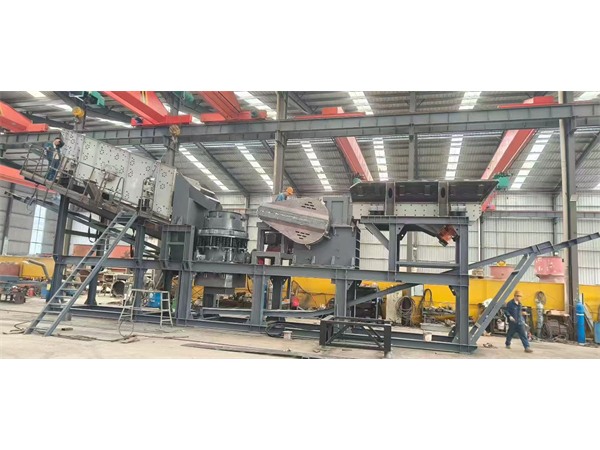
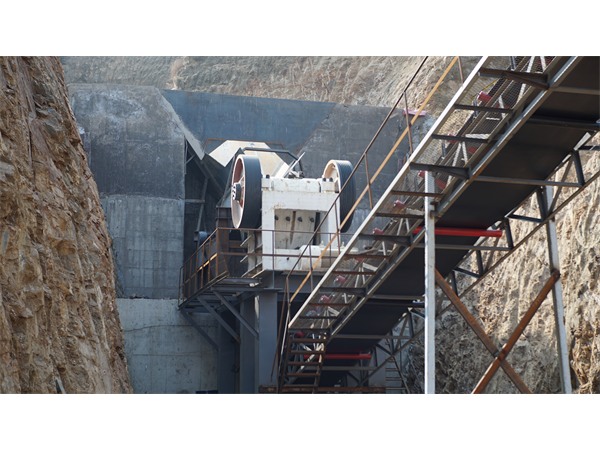
Basalt is widely used in road construction, asphalt mixing, railway ballast, and concrete aggregate because of its high strength and durability. However, basalt is also hard and abrasive, so the crushing plant must be designed carefully.
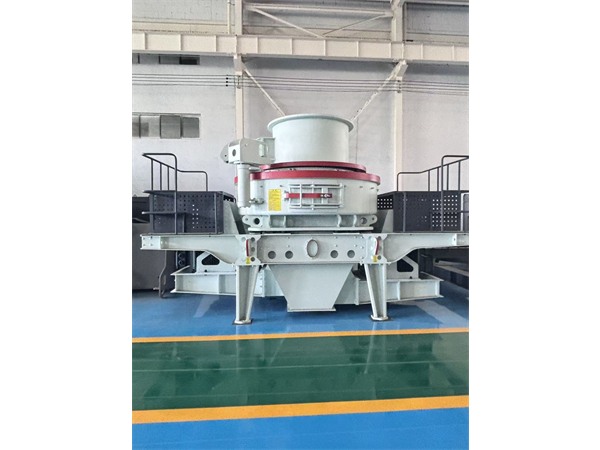
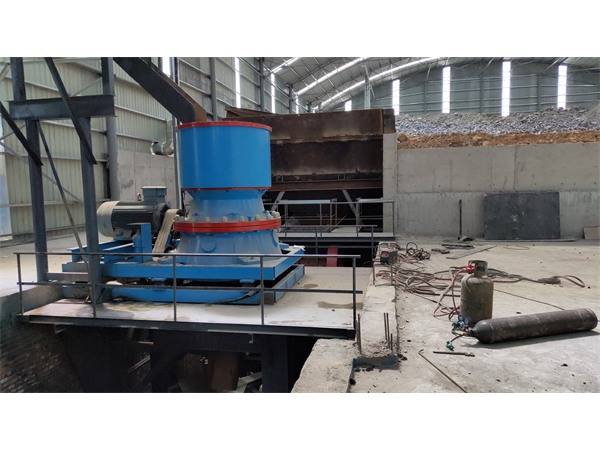
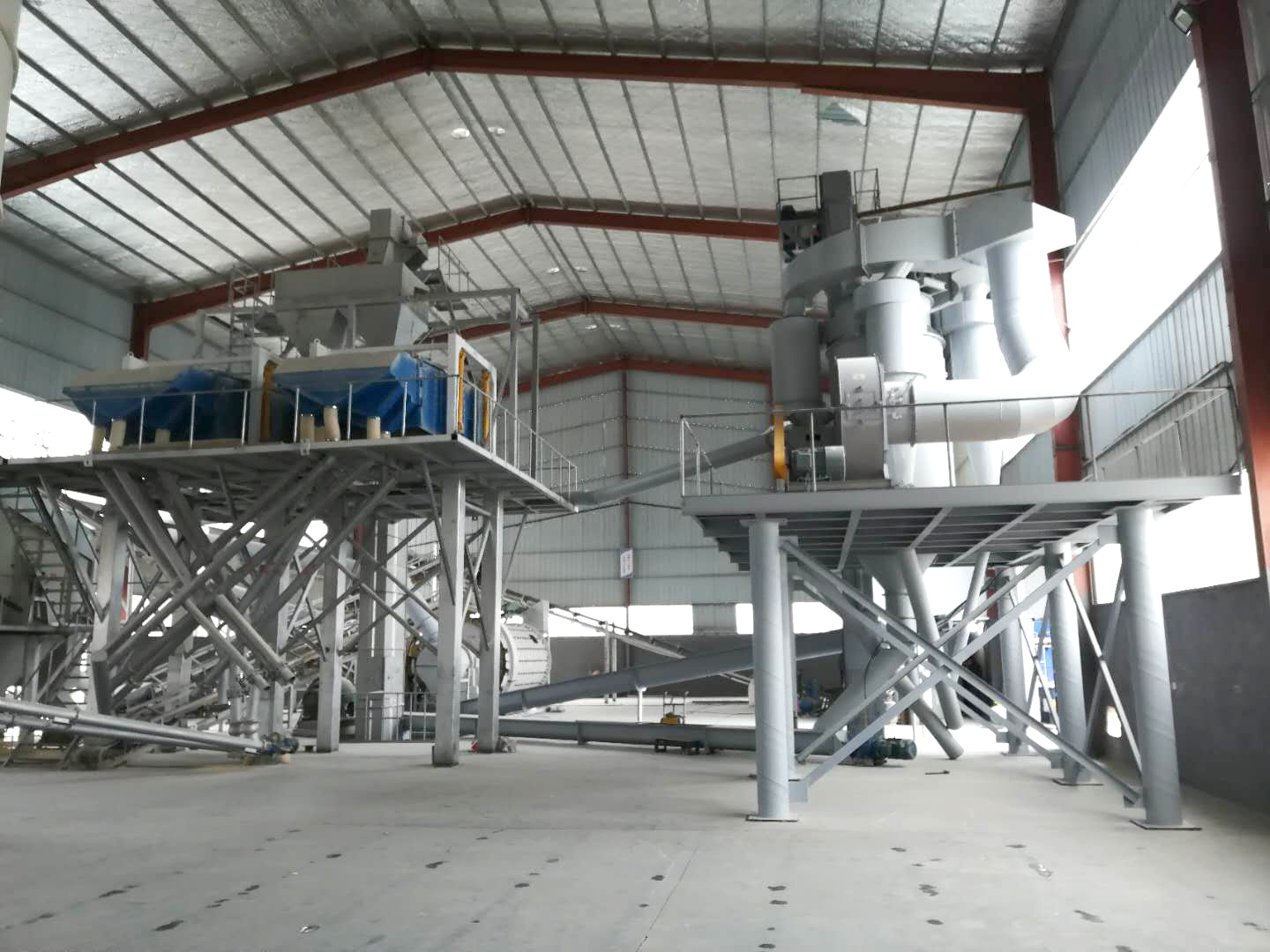
The common process is primary crushing by jaw crusher, secondary crushing by cone crusher, and screening by vibrating screen. For high-quality aggregate, a shaping or sand making stage may be added. This improves particle shape and helps meet road construction standards.
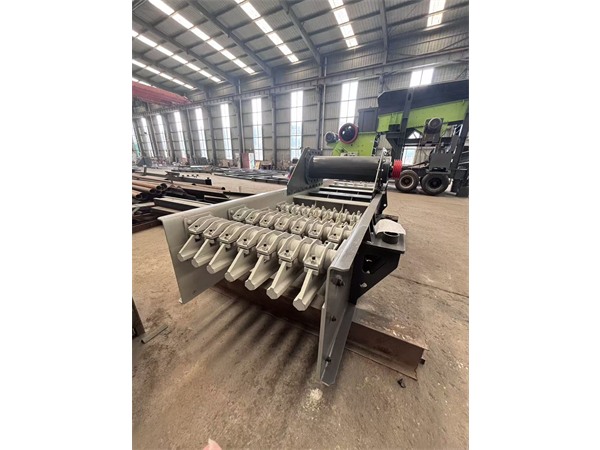
For buyers, the most important question is not only "what is the basalt crusher price?" but also "what is the total cost per ton?" Hard stone crushing requires strong machines, good wear parts, and a reliable process flow. A cheaper machine may create higher liner consumption and more downtime.
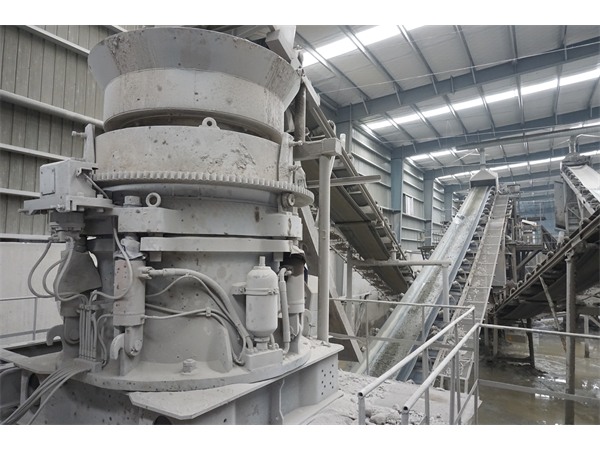
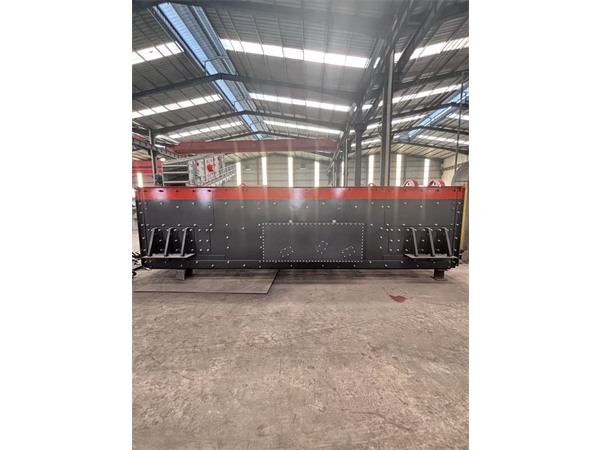
The required final sizes depend on the project. Road base may need larger aggregate. Asphalt aggregate may require strict grading. Concrete aggregate may need a combination of coarse aggregate and manufactured sand. The vibrating screen and return conveyor design must match these requirements.
Mobile basalt crushing plants are useful for contractors who move between road projects. Stationary plants are better for long-term quarry operation. Modular plants offer a middle option with faster installation and flexible expansion.
Before purchasing, buyers should provide raw material hardness, feed size, moisture, required capacity, final aggregate sizes, and local power conditions. With these details, SDMAK can recommend jaw crusher, cone crusher, screen, feeder, conveyors, and optional sand making equipment for a complete basalt crushing solution.