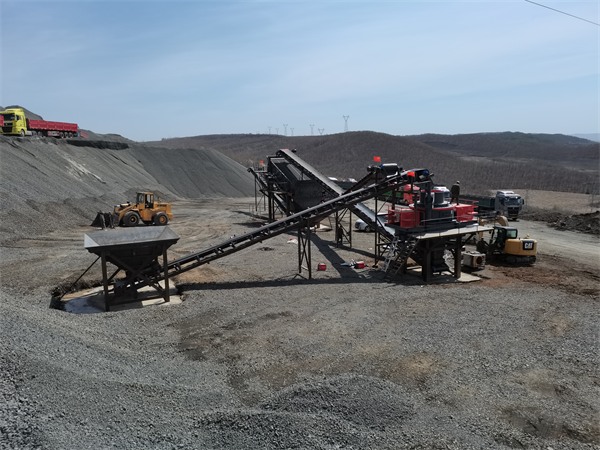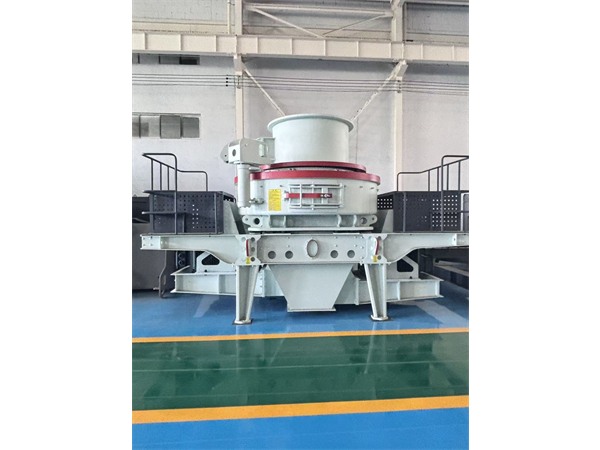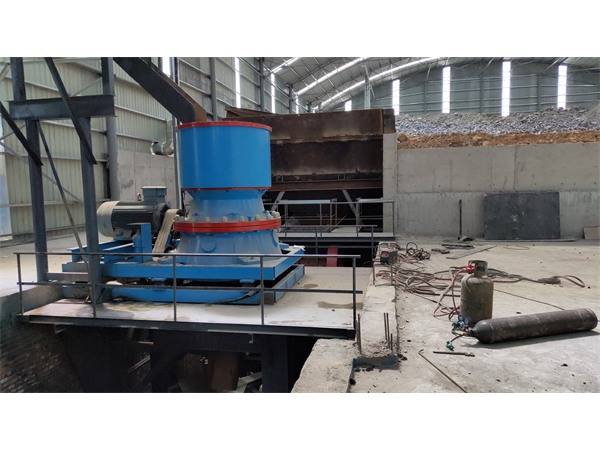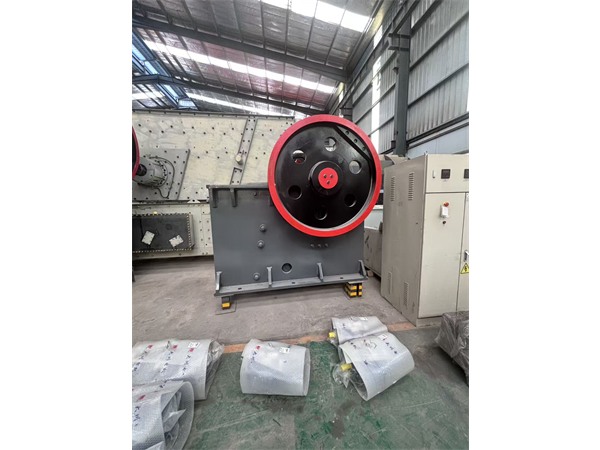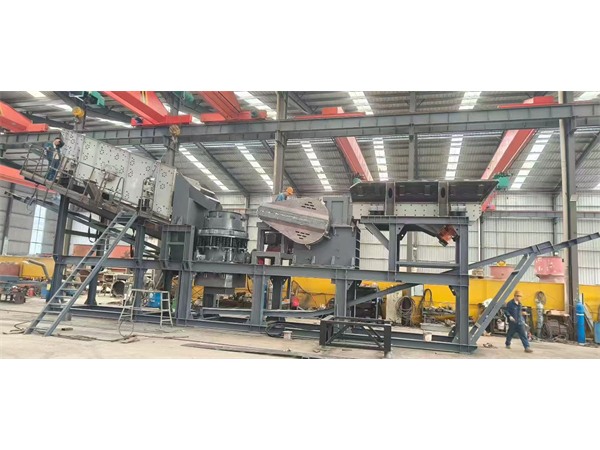
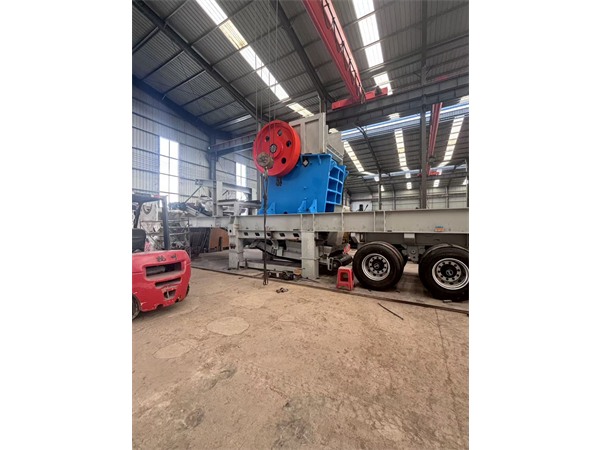
Many buyers begin their search with "mobile crusher price", but there is no single fixed price for a mobile crushing plant. The final cost depends on the machine configuration, production capacity, raw material, mobility requirement, and automation level. Understanding these factors helps buyers compare quotations more accurately.
The first price factor is crusher type. A mobile jaw crusher is usually used for primary crushing. A mobile impact crusher is suitable for limestone, construction waste, and recycled aggregate. A mobile cone crusher is often selected for hard stone such as granite, basalt, and river stone. Some projects also require a mobile screening plant to classify final products.
Capacity has a direct impact on price. A compact mobile crusher for 50-100 tph production is very different from a heavy-duty mobile crushing plant for 200-300 tph. Higher capacity usually requires a larger crusher, stronger feeder, wider belt conveyor, bigger diesel generator or motor system, and stronger chassis.
Raw material also matters. Hard stone requires more wear-resistant parts and stronger crushing force. Construction waste may require magnetic separation and dust control. Mining projects may need a more robust structure and longer operating hours. These requirements can change the total investment.
Buyers should also compare what is included in the quotation. Some suppliers only quote the main machine, while others include feeder, screen, belt conveyors, electrical control system, hydraulic system, spare parts, installation support, and technical documents. A lower initial price may not mean lower total cost.
Before asking for a mobile crusher quotation, prepare these details: material name, maximum feed size, required output size, expected capacity, working hours per day, local power condition, and whether the machine needs to move frequently. With this information, SDMAK can provide a more accurate mobile crusher solution and price proposal.