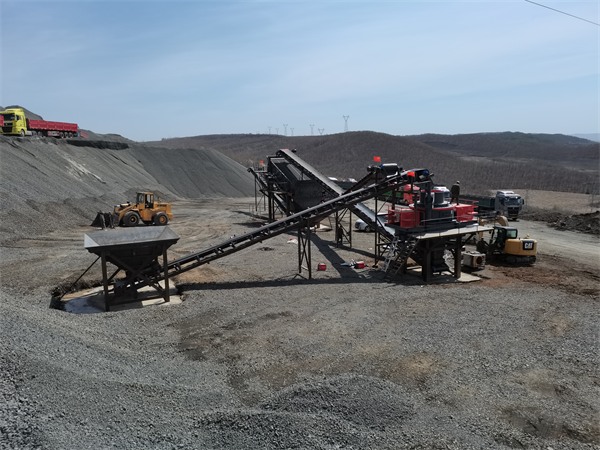
River stone is a common raw material for aggregate and manufactured sand. It has good natural strength and is widely used in concrete, road construction, and building materials. Because river stone is usually hard and smooth, the crushing and sand making process should be selected carefully.
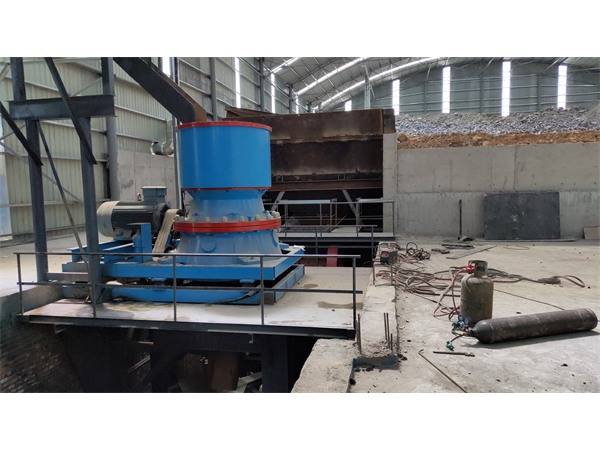
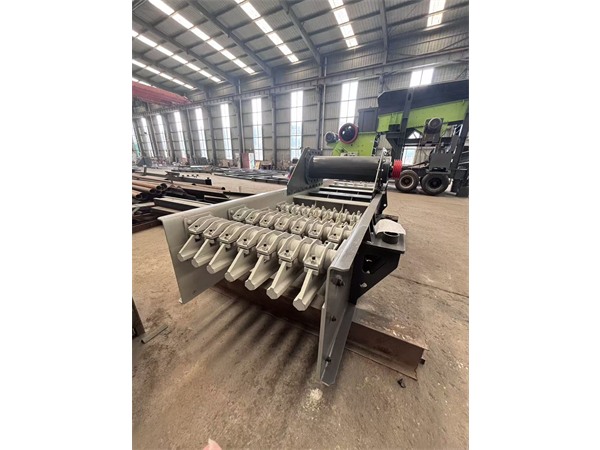
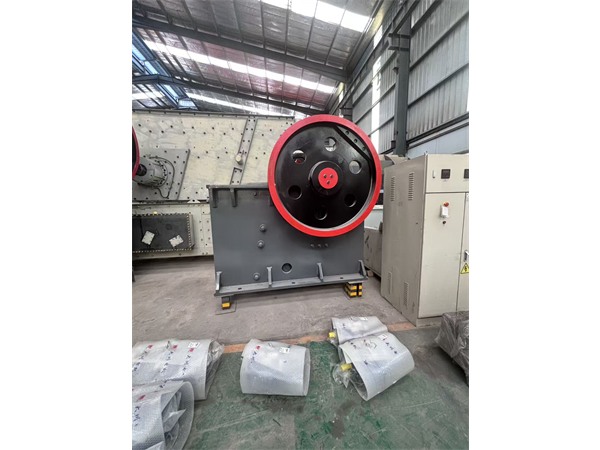
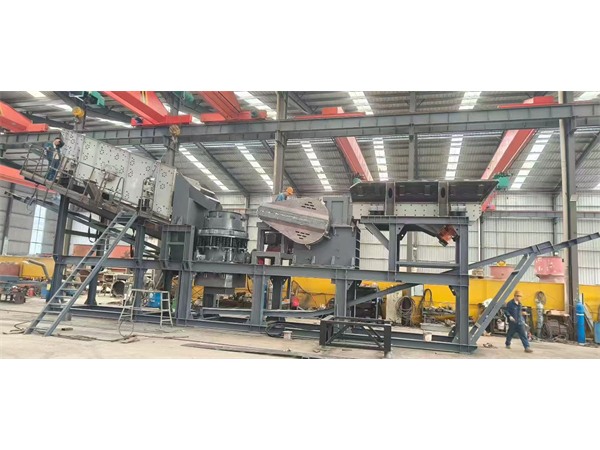
The first stage is usually jaw crushing. Large river stones are fed into a jaw crusher to reduce size. The second stage often uses cone crusher because river stone can be hard and abrasive. Cone crusher provides stable capacity and lower wear cost than impact crusher in this application.
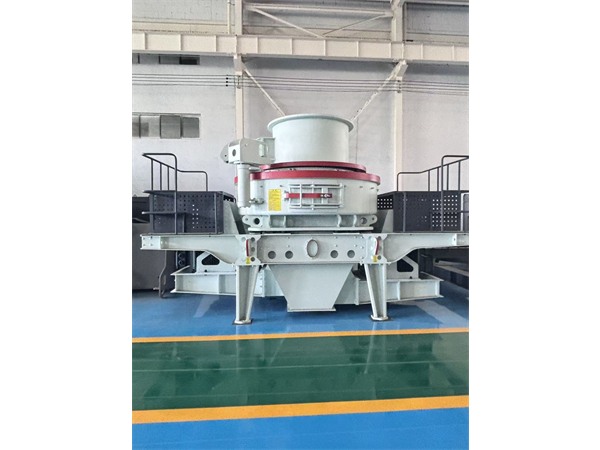
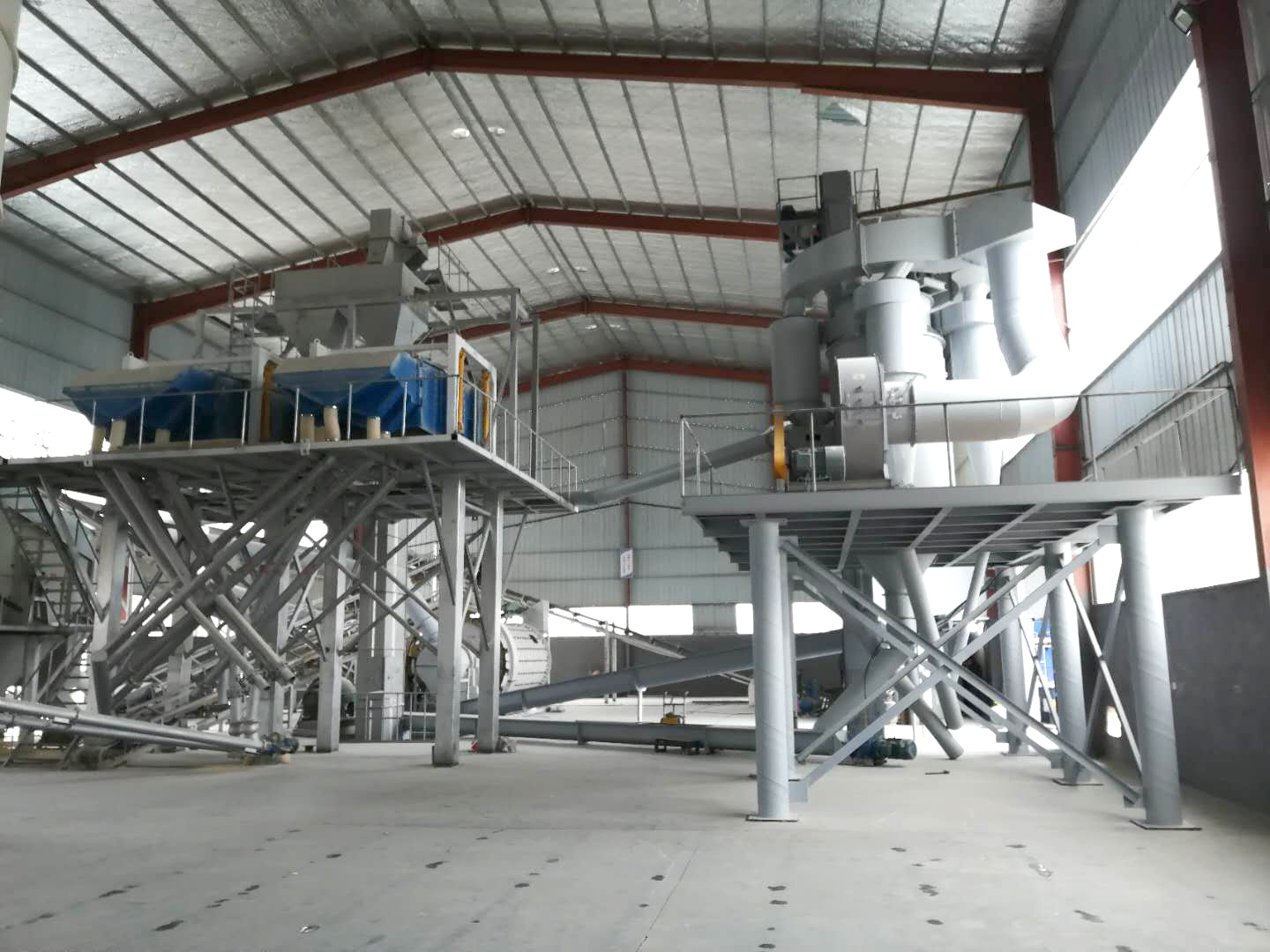
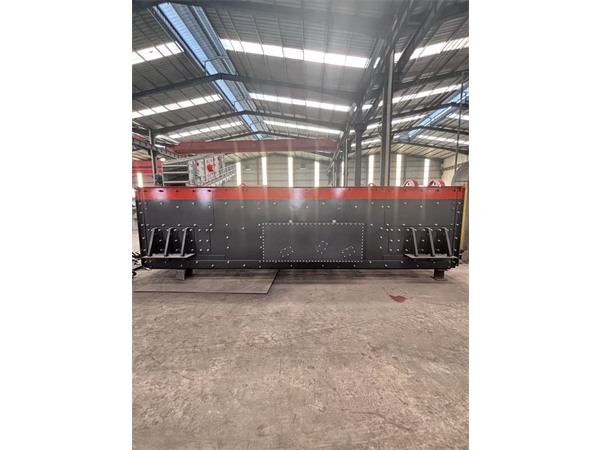
For manufactured sand production, a VSI sand making machine can be added after cone crushing. The VSI machine improves particle shape and produces sand suitable for concrete and construction use. A vibrating screen separates different sizes, while oversized material returns to the crusher or sand maker.
Washing equipment may also be needed if the river stone contains mud or dust. Clean final sand and aggregate can improve concrete quality and market value. Buyers should confirm local standards for sand fineness modulus, powder content, and aggregate grading.
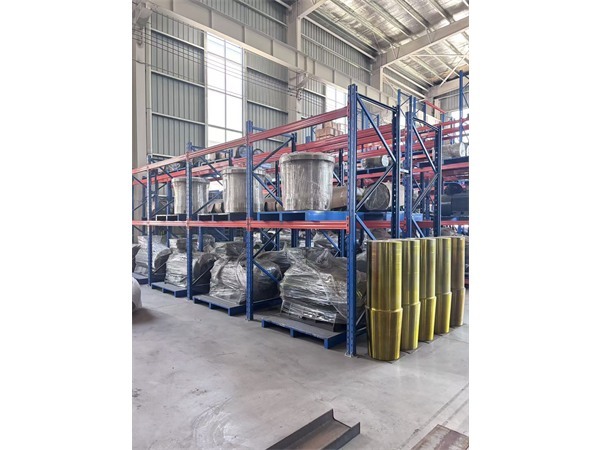
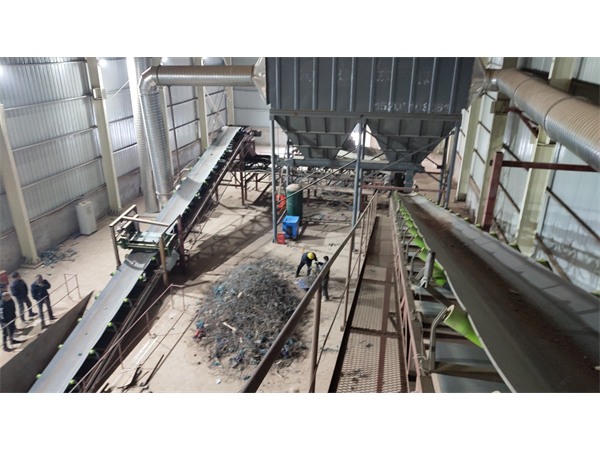
When comparing suppliers, ask for the complete flow chart, equipment list, power requirement, wearing parts plan, and foundation layout. The plant should be designed according to feed size, target capacity, final product sizes, and available site area.
SDMAK can design river stone crushing and sand making plants for different capacity levels. Whether the goal is coarse aggregate, manufactured sand, or a combined aggregate production line, a complete process design can help buyers improve output quality and reduce long-term operating cost.